
1000+ companies now know their exact duty, VAT, and IOR costs before they ship, not when customs holds their cargo hostage. Join them.
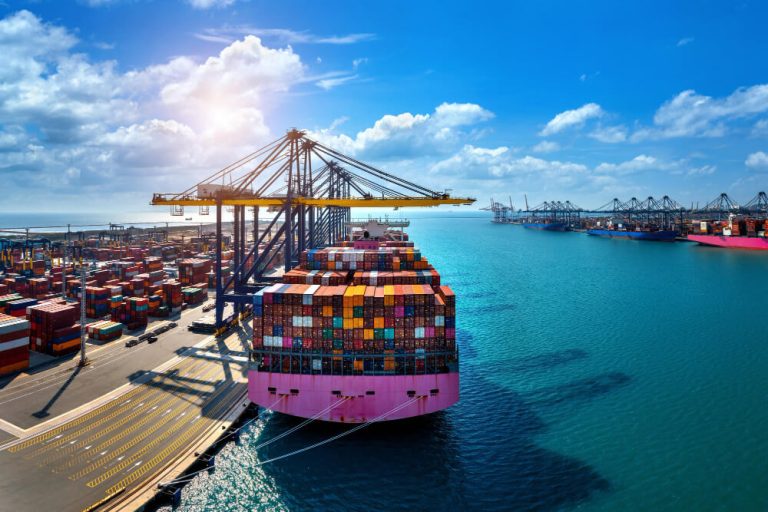
The total value of goods traded between the United States and the Philippines in 2024 was USD 23.5 billion. The Philippines and the USA share an important trade relationship supported by an effective chain of ports, airports, and logistics hubs. Major seaports such as the Port of Manila, Subic Bay Freeport, and Cebu International Port manage a huge part of the country’s freight forwarding and cargo forwarding services. For air freight, Ninoy Aquino International Airport and Mactan-Cebu International Airport are the main entrances for goods moving to the USA. Industries such as IT, aviation, medical, and automotive heavily depend on these hubs, with electronics and semiconductors accounting for over 50% of Philippine exports, much of which is shipped under HS code and HTS harmonized tariff schedule categorizations. The Generalized System of Preferences (GSP) scheme also helps exporters gain tariff advantages for qualifying goods, thereby boosting trade volumes.

An IOR is the legal supplier for confirming that imported goods follow U.S. customs laws. For businesses in the Philippines, partnering with a professional IOR simplifies agreements and speeds up customs clearance.
An Exporter of Record confirms that shipments leaving the Philippines follow local export laws and international shipping standards. Takes on legal responsibility for proper export classification and paperwork.


Delivered Duty Paid is an Incoterm where the seller/exporter takes full responsibility for delivering goods to the buyer’s door, covering all shipping costs, import duties, and taxes.
For organizations shipping IT infrastructure, servers, and networking hardware from the Philippines to the U.S., a trusted data center logistics partner is needed to confirm secure, compliant, and effective transport.

Industry-specific shipping from the Philippines to the USA highlights the nation’s strong presence in IT hardware, medical devices, aviation parts, and automotive components.
In 2024, electronics and IT goods comprised over $40 billion in exports, supported by simplified logistics and HS codes for classification.
According to the United Nations COMTRADE database, exports of electrical and electronic equipment to the United States reached $6.40 billion in 2024.
The aviation sector exports aircraft parts and maintenance services. In 2023, the US was the top destination for Philippine aircraft spare parts exports, valued at $87.1 million.
While the medical industry ships diagnostic equipment and surgical tools, it benefits from shipping agreements. The Philippines exported $31m worth of medical equipment to the US.
The automotive sector, though smaller, is growing slowly, with parts shipped under relevant HTS harmonized tariffs.
Using the cheapest way to mail a package, small parts can be sent quickly with cheap international delivery or cheap UPS shipping, depending on urgency and size.

Shipping to the USA from the Philippines can take seven to thirty days, depending on the type of shipping.
Ocean freight is the cheapest way to ship a package for heavy cargo, while air freight provides quick delivery for urgent shipments.
The shipping process begins with safe good packaging, inland freight shipping to the port or airport, export documentation using the right HS code, and working with a dependable freight forwarding service to confirm smooth shipment.
Incoterms such as DAP, DDP shipping, or DAPS are used to define delivery problems and customs responsibilities. Once the cargo reaches the USA, a licensed customs broker simplifies customs clearance by checking the harmonized tariff schedules classifications and managing duties.
Mainly, customs clearance and broker fees range from USD 100–500, depending on shipment value and difficulties. Warehousing and final delivery complete shipping from the Philippines to the USA.
The cheapest way is often ocean freight for bulk cargo or using postal services like the local post office for small parcels. Comparing rates from different freight forwarders and courier services helps you find the lowest shipping cost.
Ocean freight usually takes 15–30 days, while air freight can deliver urgent shipments in 7–10 days, depending on customs clearance and final delivery.
Major seaports include the Port of Manila, Subic Bay Freeport, and Cebu International Port. For air cargo, Ninoy Aquino International Airport and Mactan-Cebu International Airport are the main gateways.
Yes, working with a licensed customs broker ensures your cargo clears US customs smoothly, with correct HS code classification and duties paid on time.
Key industries include electronics (semiconductors, IT hardware), aviation (aircraft parts), medical (diagnostic equipment), and automotive (components), all of which use harmonized tariff schedules and GSP benefits for smoother trade.