
1000+ companies now know their exact duty, VAT, and IOR costs before they ship, not when customs holds their cargo hostage. Join them.
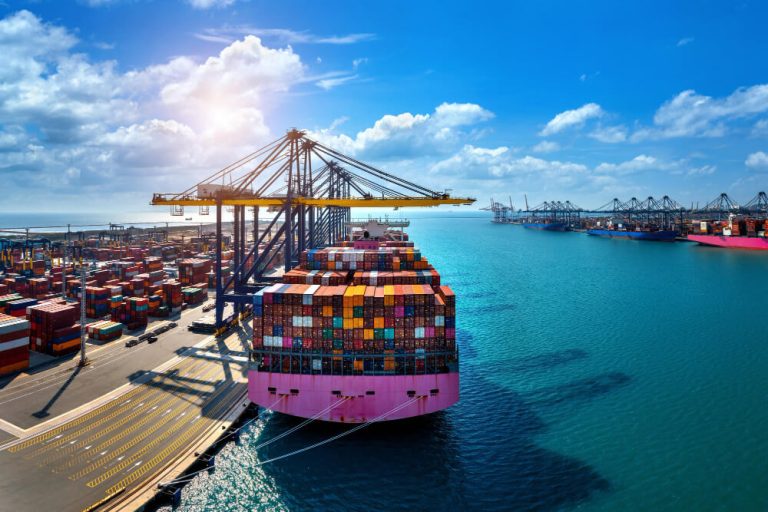
China and the United States represent two of the biggest economies in the world, connected by a huge trade network. China is the USA’s top trading partner in goods, exporting electronics, machinery, medical equipment, and automotive parts. According to U.S. trade, imports from China to the U.S. reached over $421 billion, with huge imports and exports from the IT, aviation, medical, and automotive industries.
Major Chinese export hubs such as Shanghai Port, Shenzhen Port, and Ningbo-Zhoushan Port, all of which are important in global freight forwarding work. Airports such as Shanghai Pudong International Airport and Beijing Capital International Airport work as air freight entrances. U.S. side Approx. 45% of Port of Los Angeles imports come from China, Long Beach has more than $110 billion in trade with China in 2023, and New York/New Jersey ports East Coast’s port, processed over $90 billion in Chinese imports in 2023, manage the most cargo forwarding services. Chicago O’Hare International Airport and Los Angeles International Airport are among the busiest for air cargo.
These logistics hubs manage millions of containers yearly, guided by Incoterms such as DAP, DDP, and others that define the seller’s and buyer’s requirements. Freight forwarding companies and customs brokers confirm smooth work under systems such as the Generalized System of Preferences (GSP) and HTS harmonized tariff rules, making trade more effective.

An Importer of Record is a third-party or designated entity responsible for confirming agreement with all US customs laws when importing goods from China. They handle the legal responsibility for filing import documents, paying duties and taxes, and confirming all shipments meet federal regulations.
The Exporter of Record is responsible for confirming that goods leaving China comply with Chinese export regulations. This includes export licensing, export declarations, and documentation for customs clearance on the origin side.


DDP is an Incoterm under which the seller takes on full responsibility for shipping, export and import clearance, duties, and delivery to the buyer’s final location in the USA.
Data Center logistics for transporting sensitive IT equipment, servers, networking hardware, or data center infrastructure components from China to the USA. Frequently combined with IOR services for agreement.

The shipping process from China to the USA requires many important steps that include confirming agreement, safety, and affordable. Once goods are manufactured in China, they're packaged securely and frequently labeled using an HS Code for customs categorizations.
Freight forwarding services then arrange logistics either Full Container Load or Less than Container Load for sea freight or through air freight for quick delivery.
After goods reach the U.S., customs brokers handle customs clearance, documentation, and duties under the HTS harmonized tariff schedules.
For shipments under DAP or DDP shipping terms, sellers may cover customs duties, taxes, and last-mile delivery to the buyer.
Customs clearance charges can vary, but on average, importers may spend around $100–$200 per entry, excluding duties (typically 5–20% depending on the HS code).
Warehouse distribution is the final step, with U.S.-based fulfillment centers distributing goods regionally. To reduce costs, many opt for the cheapest post office box options or cheap UPS shipping methods when shipping samples or small orders.

China exports millions of units of computer parts, chips, and networking equipment to U.S. tech organizations.
Aircraft parts, electronics, and aeronautics materials are frequently shipped from suppliers in Guangdong and Jiangsu provinces to manufacturers or MROs in the U.S. through Chicago O’Hare or Dallas-Fort Worth Airport.
Goods such as surgical instruments, diagnostic devices, and devices are important U.S. imports from China. Under Harmonized System Codes 9018–9022, such goods frequently qualify for exemptions under the Generalized System of Preferences, reducing tariff loads.
China supplies auto electronics, vehicle accessories, and engine parts to the U.S. aftermarket. Freight forwarding service providers confirm agreement with HTS harmonized tariff schedule for smooth delivery.
Most shipments enter through Los Angeles or New York ports, using HS codes ranging from 8471 to 8517 for the IT hardware and their Equipment.
Small parcels under 2 kg can be sent via Yanwen, 4PX, or USPS First-Class International for around $20–$35, depending on delivery speed and destination.
Air freight typically takes 5–10 days, while sea freight ranges from 25–40 days, depending on LCL or FCL service and port congestion.
Yes, a licensed U.S. customs broker ensures proper documentation, classification via HS Codes, and compliance with HTS tariff regulations.
Popular Incoterms include DDP, DAP, and FOB (Free on Board), defining responsibilities between buyer and seller.
Yes, sectors like medical (HS 9018–9022) may qualify for GSP exemptions, while IT and automotive goods follow specific HTS codes with varying duties.