
1000+ companies now know their exact duty, VAT, and IOR costs before they ship, not when customs holds their cargo hostage. Join them.
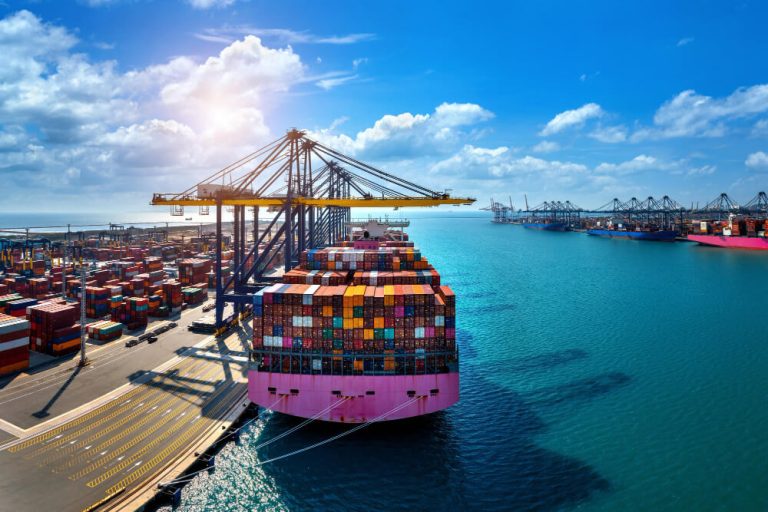
South Korea and South Africa maintain a strong long-term trade, specifically in the IT, aviation, medical, and automotive industries. South Korea’s major export hubs, such as Busan Port, Incheon, and Gwangyang, also Incheon Airport and Gimpo Airport, manage much of the air forwarding. South Africa has Durban Port, Cape Town Port, and Port Elizabeth working as the main entrances for sea freight, with Johannesburg Airport helping as the busiest cargo hub. In IT, South Korea is a leading exporter of semiconductors, mobile devices, and cloud infrastructure equipment, while South Africa imports telecom and data center hardware. The aviation industry focuses on aircraft parts and engineering equipment, the medical trade is surgical and diagnostic devices, and the automotive sector remains a major player, with South Korean cars and spare parts shipped in high volumes to South Africa. Dependable logistics chain, freight forwarding companies, and established Incoterms agreements help simplify the supply chain.

Importer of Record Service manages approvals, customs clearance, and legal procedures. This reduces risk for South African organizations and confirms goods are imported legally under the correct HS Code or HTS harmonized tariff schedule categorizations.
Exporter of Record (EOR): South Korean organizations in managing export documentation, duties, and permits, stopping delays, and reducing fees. These services provide affordability and regulatory approval, allowing organizations to focus on growth while expert forwarders manage the shipment.


Delivery Duty Paid Shipping: A popular method for the cheapest way to ship a package globally, as sellers cover customs clearance, tariffs, and shipping, confirming likely pricing and smooth, cheap international delivery.
Data Center Services: With the quick growth of South Africa’s digital economy, shipping IT servers, cloud storage equipment, and networking devices through secure channels confirms agreement with data center encryption and reduces downtime.

The cheapest way to ship goods depends on the method and service:
A 20-foot container costs between USD 1,800–2,500, also a 40-foot container ranges between USD 3,200–4,200, making it the cheapest way to mail a package in bulk.
Prices average $4–$7 per kg, perfect for medical devices and urgent IT shipments, though not always the cheapest international shipping method.
Small packages can cost $25–$60, with cheap UPS shipping options available for documents and lightweight goods.
The cheapest post office box solutions provide low-cost mailing, though shipping times are longer.
DDP shipping may take more fees in hand, but it frequently results in the lowest shipping rates complete because all duties and taxes are prepaid, stopping unwanted fees at customs.
Picking the cheapest way to ship goods to South Korea and South Africa requires comparing cost, speed, and agreement.

South Korea exports over 120 billion USD in semiconductors yearly, and South Africa’s growing telecom sector depends massively on this flow.
Spare parts, engines, and avionics are shipped through air forwarding due to their value and urgency. Here, using a freight forwarding service under the correct harmonized system codes avoids tariff misclassification.
Biotech, surgical equipment, and diagnostic devices require temperature-controlled logistics. The cheapest way to send a package in this sector is frequently through special freight forwarding companies with approval through expertise.
South Korean brands such as Hyundai and Kia influence South African imports. Sea shipping remains the cheapest way to ship a package; Also, using cheap international shipping suppliers for spare parts reduces overhead for the repair chain.
Cheap overseas shipping with DAP or DDP services confirms electronics are delivered securely with minimal customs delays.
The cheapest way is sea freight, especially using 20-foot or 40-foot containers. For bulk goods like automotive parts, sea shipping provides the lowest per-unit cost.
On average, a 20-foot container costs between USD 1,800–2,500, while a 40-foot container ranges from USD 3,200–4,200, depending on the freight forwarding company and Incoterms used.
Yes, IOR/EOR services simplify customs clearance, compliance with HS codes, and tariff categorization. They reduce legal risks and ensure a smooth supply chain.
The IT, aviation, medical, and automotive industries rely heavily on affordable and reliable logistics to manage semiconductors, aircraft parts, medical devices, and car spare parts.
Delivery Duty Paid (DDP) and Delivered at Place (DAP) are commonly used, as they provide cost certainty by covering customs duties, tariffs, and final delivery, reducing surprise fees at customs.