
1000+ companies now know their exact duty, VAT, and IOR costs before they ship, not when customs holds their cargo hostage. Join them.
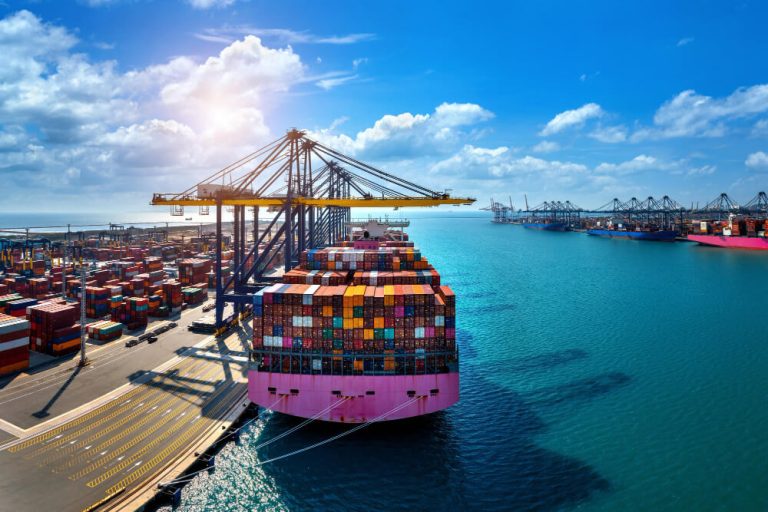
South Korea and Russia share a growing trade relationship developed by the technology, aviation, automotive, and healthcare industries. South Korea’s major export hubs, such as Busan Port, Incheon, and Gwangyang, manage massive container sizes. Incheon International Airport and Gimpo Airport control air shipping. Russia has the Port of Vladivostok, St. Petersburg, and Novorossiysk remaining major entrances for sea cargo, also Sheremetyevo, Domodedovo, and Vnukovo Airports play vital roles in air forwarding. In terms of trade, South Korea exports advanced IT equipment, semiconductors, automotive parts, and medical devices, while Russia supplies raw goods and energy resources. Aviation collaboration has grown in recent years, with the development of cargo forwarding demand for aerospace equipment. The medical sector also plays a vital role, with growing Russian demand for Korean diagnostic equipment and biotech.

This service confirms smooth customs clearance by managing all regulatory documents, harmonized system code categorizations, and payment of local taxes. IOR services reduce approval risks and save time for global businesses.
An EOR allows Korean companies to legally export products, mainly in industries such as IT and medical equipment, where strong HTS harmonized tariff schedule codes apply. Customs fees and laws in South Korea and Russia to avoid unexpected fees or delays.


With DDP shipping, sellers manage all customs, duties, and taxes upfront, allowing Russian buyers to receive goods without extra fees. It’s a preferred Incoterm for confirming transparency and quick logistics.
Many forwarders now provide data center logistics, confirming secure movement of IT hardware, cloud servers, and encryption systems vital for global trade. This stops downtime and confirms safe handling of high-value equipment.

The cheapest way to send a package from South Korea to Russia depends on the shipping methods and cargo type:
Air Shipping: Express air forwarding is quicker (2–5 days) but more expensive, estimated at USD 4–7 per kg. Economy air cargo reduces fees but extends shipping time.
Sea Shipping: The cheapest international shipping option for bulk cargo, costing around USD 900–1,500 per container depending on weight, port, and season.
Courier & Post Office Solutions: For small goods, the cheapest post office box delivery or cheap UPS shipping services can start from USD 20–35 per package, making them the cheapest way to mail a package.
DAP & DDP Services: Choosing DAP (Delivered at Place) or DAPs confirms predictable costs, with DDP providing all-inclusive pricing to avoid unknown customs fees.
Cheap international delivery is achievable with quick shipping methods, while working with expert forwarders confirms clear fees.
These services form the backbone of affordable freight forwarding and give exporters an aggressive edge when looking for the cheapest way to ship a package globally.

South Korea is developed in semiconductors and network devices. Russia imports a growing volume of servers, chipsets, and telecom infrastructure.
Freight forwarding service providers confirm approval with HS codes and data center encryption standards. Choosing the right shipping model confirms cheap international shipping without compromising speed or dependability.
Korean-made aircraft components and aerospace technology are exported to Russia. Using cheap overseas shipping options through air freight confirms the on-time delivery of sensitive aviation parts.
Korea exports diagnostic machines, surgical equipment, and biotech to Russia. DDP shipping is mostly used to simplify customs clearance for regulated medical goods.
South Korean companies such as Hyundai and Kia ship vehicles and spare parts to Russia. Sea shipping remains the cheapest way to ship a package, confirming pricing in the Russian automotive trade.
The cheapest option is sea freight, costing around USD 900–1,500 per container, depending on weight, port, and season. For smaller goods, courier or post office solutions starting from USD 20–35 per package are the most affordable.
Air freight takes 2–5 days for express delivery, while economy air cargo can take up to 7–10 days. Sea freight is slower, usually 25–40 days depending on the route and customs clearance.
IOR manages customs approval, HS code classification, and taxes in Russia, confirming smooth clearance. EOR allows Korean organizations to legally export products, particularly IT, medical, and aviation equipment.
Key industries include IT (servers, chipsets), aviation (aircraft parts), medical (diagnostic machines, biotech), and automotive (vehicles, spare parts). Each requires dependable but affordable shipping solutions.
DDP (Delivery Duty Paid) confirms sellers handle customs, duties, and taxes upfront, so buyers in Russia receive goods without surprise costs. It provides transparency, predictable logistics, and faster deliveries.