
1000+ companies now know their exact duty, VAT, and IOR costs before they ship, not when customs holds their cargo hostage. Join them.
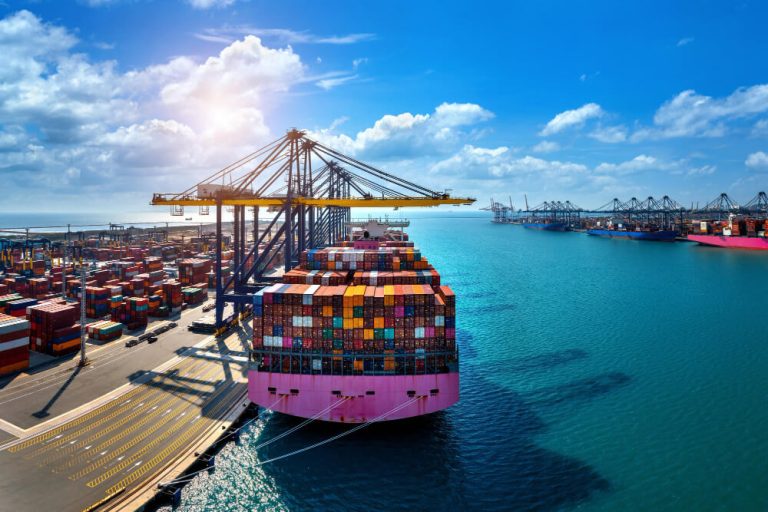
Brazil and Argentina share one of the strongest trade South America, with logistics and freight forwarding playing a vital role in connecting both economies. Brazil’s Port of Santos, Rio de Janeiro, and Paranagua work as major entry points for exports. Argentina also depends massively on Buenos Aires and the Rosario Port for imports. Air cargo is simplified through São Paulo–Guarulhos Airport and Rio de Janeiro–Galeão in Brazil, while Argentina depends on Ezeiza Airport in Buenos Aires. These hubs confirm smooth logistics and freight forwarding service work between the two countries.
Trade between the two nations varies across industries. In the IT sector, Argentina imports servers, networking equipment, and data storage systems from Brazil to strengthen its growing digital systems. In aviation, Brazil exports Embraer aircraft parts and components to Argentina, growing its local airline industry. The medical industry benefits through the movement of biotech, medical devices, and diagnostic equipment. Also, the automotive sector controls long-term trade, with Brazil exporting cars, auto parts, and engines, while Argentina supplies machinery and specific vehicle models.

An Importer of Record service confirms approval with local laws and customs clearance, taxes, and duties. This makes it the cheapest way to ship a package by avoiding delays and fees. Brazil and Argentina have difficult customs laws that can be difficult to navigate for global organizations.
n EOR manages export permits, documentation, and legal approval, providing a smoother process for organizations shipping goods globally. Data and insights related to Exporter of Record (EOR) services between Brazil and Argentina are available from various sources. These direct that Brazil is a major trading partner for Argentina, with huge exports of goods such as automobiles


Opting for delivery duty paid services guarantees that all duties, tariffs, and taxes are covered upfront. This helps companies achieve cheap international shipping by avoiding hidden costs. Brazil’s customs laws forbid the use of delivery duty paid for imports. Due to the restrictions on DDP in Brazil, different Incoterms such as DAP or DAT might seem viable, but these are also not recommended, as customs clearance and port logistics costs remain the exporter’s responsibility, possibly leading to delays and additional expenses.
Argentina’s growing demand for IT infrastructure, specialized handling of servers, and networking hardware is crucial. Secure and efficient forwarders help businesses expand digital operations under the generalized system of preferences and Incoterms agreements.

When calculating the cheapest way to send a package from Brazil to Argentina, businesses need to consider:
Freight Costs – Air forwarding is faster but more expensive, while sea freight offers the cheapest way to mail a package for bulk cargo.
Final Mile Delivery – Choosing the cheapest post office box, cheap UPS shipping, or regional courier services lowers costs.
One Union Solutions provides end-to-end support in freight forwarding, including IOR/EOR services, DDP shipping, customs clearance, and data center logistics.
Using strong regional partnerships and compliance expertise, they deliver the cheapest way to ship a package with guaranteed efficiency, cost control, and transparency.
Argentina export and import service costs for shipments, with export fees at USD 249 and import costs at USD 325.
Customs Duties & Tariffs cost is based on HS codes and HTS harmonized tariff classifications. Handling & Documentation Fees, such as IOR/EOR services.

Brazil exports networking hardware, laptops, and servers. Argentina’s import volumes in IT continue to grow, with demand for edge computing and data center equipment growing sharply.
Brazil’s Embraer is a major supplier of regional aircraft and spare parts to Argentina. Using DAP shipping terms confirms faster clearance while maintaining the lowest shipping rates for carriers.
Argentina imports devices, diagnostic equipment, and surgical tools from Brazil. Specialized, cheap overseas shipping solutions, including temperature-controlled freight, make it affordable.
Bilateral automotive trade is valued at billions yearly, with Brazil exporting vehicles and Argentina supplying machinery.
Simplified freight forwarding service confirms both nations benefit from cheap international shipping while conforming to Incoterms and tariff systems.
The cheapest way is through sea freight for bulk cargo, supported by Importer of Record (IOR) and Exporter of Record (EOR) services that help avoid customs delays and extra costs.
No, Brazil does not allow DDP for imports. Instead, businesses should consider Incoterms such as DAP while factoring in customs clearance and logistics charges.
HS codes and the HTS harmonized tariff system directly determine customs duties, making accurate classification essential for cost control in international logistics.
The IT, aviation, medical, and automotive industries benefit the most, with significant demand for servers, aircraft parts, medical equipment, and vehicles.
IOR services simplify customs clearance, manage taxes, and ensure compliance with local regulations, helping businesses save money and avoid shipment delays.