
1000+ companies now know their exact duty, VAT, and IOR costs before they ship, not when customs holds their cargo hostage. Join them.
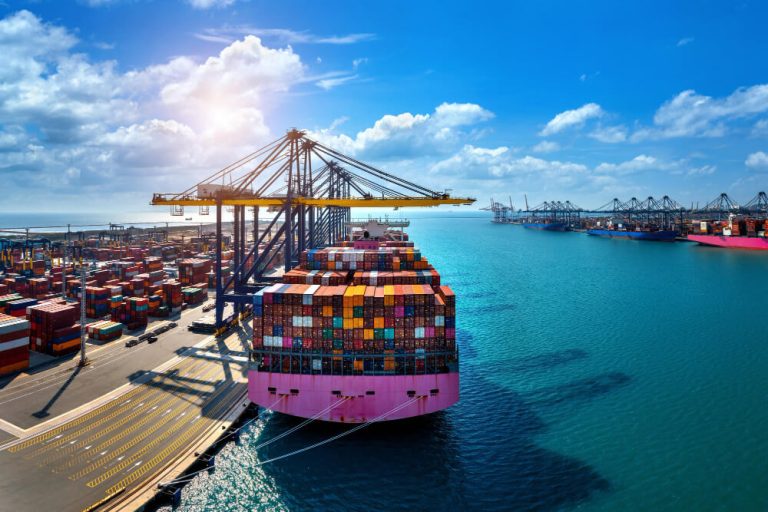
Brazil and South Korea have strong and growing trade ties in sectors such as IT, aviation, medical, and automotive. Brazil is a leading exporter of medical goods, machinery, and automotive parts, also South Korea is known for electronics, medical devices, and aerospace parts. Major Brazilian ports managing shipments to Asia, such as the Port of Santos, Rio de Janeiro, and Paranagua, are supported by air cargo hubs such as São Paulo Guarulhos Airport and Rio de Janeiro–Galeao Airport. In South Korea, shipments arrive mainly through the Port of Busan, Incheon Port, and Gwangyang Port, along with air freight hubs such as Incheon Airport and Gimhae Airport.
Brazil’s IT exports, such as software and hardware parts, are slowly growing; South Korea imports aviation, automotive parts, and medical equipment from Brazil. Similarly, South Korea’s high-tech goods, such as semiconductor parts and surgical devices, are in demand across Brazilian industries.

Confirm legal approval for imports by managing HS Code classification, customs documentation, and HTS harmonized tariff schedule laws. This stops delays, avoids fees, and simplifies delivery for high-value goods such as IT servers and aviation equipment.
Handles export agreement from Brazil, confirming accurate Incoterms application and correct export clearance. This is important when shipping medical equipment or automotive parts requiring special permits. These services frequently require a freight forwarding company working with air forwarding, sea freight, and complete delivery, confirming the cheapest international delivery without compromising


A full-service shipping option where all duties, taxes, and customs processes are managed by the shipper. DDP shipping confirms faster delivery, no hidden costs for the receiver, and is frequently the cheapest way to ship a package globally when considering total landed cost.
Specialized freight forwarding service for IT infrastructure, confirming safe transit of servers, networking devices, and storage units with climate-controlled logistics. This helps businesses expand work without delays in hardware delivery.

The cheapest way to send a package or shipment from Brazil to South Korea depends on elements such as weight, dimensions, shipping method, and Incoterms. On average:
Sea Freight LCL fees are nearly USD 500–700 per cubic meter, and FCL fees are USD 3,000–3,800 per 20ft container
Air Economy shipping started with USD 5–7 per kg, and Express delivery price is USD 8–12 per kg
Cheapest Post Office Box or Mail Services (small parcels under 2kg): USD 25–40 depending on carrier
Cheap UPS Shipping or Other Couriers: USD 40–$60 for standard small parcel delivery.
One Union Solutions specializes in forwarders and freight forwarding services that secure cheap overseas shipping by consolidating cargo, optimizing routes, and negotiating with carriers.
They handle all documentation, DDP shipping, customs clearance, and HS code classification, making them a one-stop solution for cheap international shipping between Brazil and South Korea.

IT Industry: Brazil exports networking cables, servers, and software licenses; South Korea exports semiconductors, chips, and computing hardware.
In 2024, Brazil–South Korea IT trade exceeded USD 1.2 billion, with a growing demand for reliable freight forwarding and cheap international delivery options.
Aviation Industry: Brazil’s Embraer supplies regional aircraft components to Korean carriers, while South Korea sends aerospace electronics and repair equipment. The trade volume in aviation components has grown by 15% yearly.
Medical Industry: Brazil ships bio-tech and surgical devices, while South Korea sends MRI machines, diagnostic kits, and surgical instruments. These high-value shipments require DAP or DAPS shipping terms for precise delivery management.
Automotive Industry: Brazil exports automotive engines and chassis, while importing electric vehicle batteries and sensors from South Korea. The sector benefits from the generalised system of preferences in certain trade categories, reducing tariffs and improving the availability of cheap international shipping.
Sea freight (LCL or FCL) is often the most cost-effective for bulk cargo, while economy air freight is suitable for smaller, urgent shipments. The final choice depends on weight, dimensions, and delivery deadlines.
An IOR ensures proper HS Code classification, correct documentation, and compliance with customs laws—preventing delays, avoiding penalties, and reducing unexpected expenses.
While DDP may seem costlier upfront, it includes all duties, taxes, and customs fees, often making it cheaper in terms of the total landed cost and faster in delivery.
Common documents include the commercial invoice, packing list, bill of lading or airway bill, export/import permits (if applicable), and HS Code classification documents.
The IT, aviation, medical, and automotive sectors benefit significantly due to high trade volumes, special tariff agreements, and the need for secure, time-sensitive deliveries.