
1000+ companies now know their exact duty, VAT, and IOR costs before they ship, not when customs holds their cargo hostage. Join them.
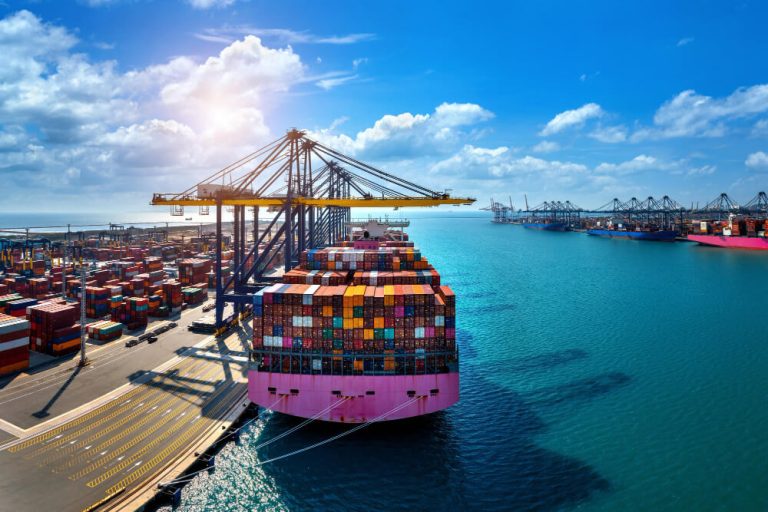
Shipping from the United States to Germany can be done using many methods, each with its own costs and delivery times. The United States and Germany share one of the world’s strongest trade partnerships, working in manufacturing, technology, and valuable goods. Major American ports such as Port of Los Angeles are known as the US port, which is the largest in North America and one of the world’s busy ports, Port of New York and New Jersey Port have been ranked as the third largest in North America, and the port of savannah manages huge export shipments from Europe. Key airports such as Chicago O’Hare International Airport shipping 98.05 percent increase compared to last year to $2.51 billion., John F. Kennedy International Airport and Atlanta Hartsfield-Jackson Airport, 118.39 percent compared to last year, to $1.37 billion, help air cargo forwarding services for urgent delivery. In Germany, major entrances such as Hamburg’s ports are Europe’s third busiest port exporting cars, ships, boats, measuring and automatic control equipment, major exports, and Frankfurt Airport, one of the busiest air hubs in Europe. These ways are important for industries such as IT, aviation, medical devices, and automotive parts. The HS Code and HTS harmonized tariff schedules play a necessary role in confirming that goods move effectively under global trade rules. Both countries benefit from the generalized system of preferences, where applicable, easing taxes on certain goods.

An Importer of Record is the legal entity responsible for confirming imported goods comply with all local laws, paying customs duties, filing import documentation, and clearing goods through customs in Germany.
An Exporter of Record handles the legal export process from the USA, confirming shipments meet U.S. export controls, licensing, and documentation requirements.


DDP is an Incoterm where the seller/exporter is supposed to take all costs and risks until the goods reach the buyer’s final destination in Germany, including freight, duties, and taxes.
Many U.S. companies ship IT hardware to Germany for deployment in European data centers. Servers, storage, and networking equipment frequently need smooth importation.

USA–Germany shipping heavily serves high-value industries.
The IT sector regularly exports semiconductors, servers, and electronic parts under strong harmonized system codes to Germany’s tech hubs.
The aviation industry depends on fast air freight forwarding services for parts and equipment required for Germany’s major airports and aircraft manufacturers.
In the medical industry, shipments such as surgical equipment, diagnostic devices, and biotech devices require careful packaging, temperature control, and strong customs clearance.
Automotive parts exports from engines to electronics make up a big size of sea shipments, using Germany’s role as Europe’s largest automotive hub.
Trade agreements and Incoterms such as DAP and DDP, confirm clear responsibilities for shipments.
Businesses and individuals looking for the cheapest way to ship a package or cheap international delivery frequently compare rates among forwarders, postal services, and cheap UPS shipping options to find the cheapest way to mail a package overseas.

Sea freight can take about 4–6 weeks, but air freight mainly takes two–seven days, depending on cargo management and flight availability.
The shipping process starts with packaging at the origin facility, followed by inland logistics to the nearest port or airport.
A dependable freight forwarder manages the shipment, confirming exact export documentation and approval with Incoterms such as DAP, DDP shipping, or even DAPS agreements for special cargo.
A customs broker plays an important role in export and import clearance. Exporters must categorize goods using the right HS Code and provide documents. Customs clearance fees change, but mainly range from USD 100–400 for simple shipments.
Warehousing services may be required for storage before final delivery, and choosing the cheapest post office box or the lowest shipping rates provider can reduce costs for smaller goods.
Small parcels often ship cheapest through USPS or consolidated couriers. For larger loads, compare freight forwarders for DAP or DDP shipping to reduce taxes and hidden fees.
Ocean freight typically takes 4–6 weeks door-to-door. Air freight is faster, taking about 2–7 days depending on cargo handling and flight schedules.
Yes. A licensed customs broker helps classify goods under the right HS Code, handles documentation, and ensures smooth clearance to avoid delays or fines.
Key documents include commercial invoices, packing lists, export declarations, and the correct HS Code classification. Your freight forwarder or customs broker can help.
High-value sectors like IT, aviation, medical equipment, and automotive rely on reliable sea and air freight, strict customs compliance, and secure packaging.