
1000+ companies now know their exact duty, VAT, and IOR costs before they ship, not when customs holds their cargo hostage. Join them.
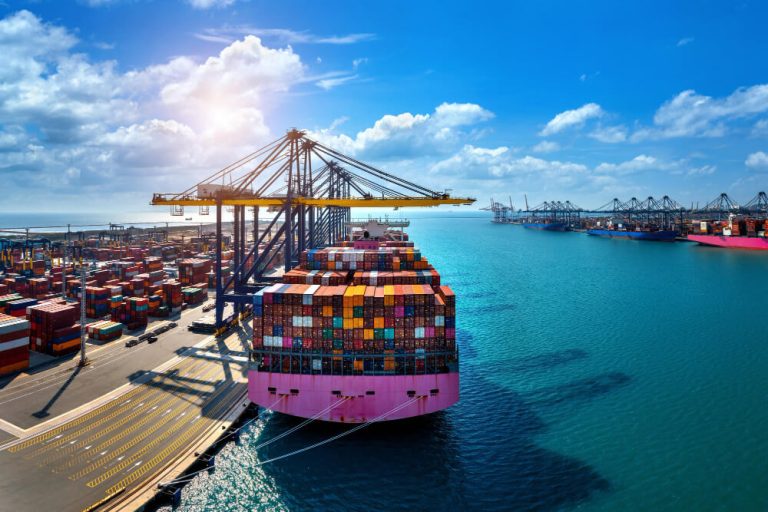
The developing trade between the USA and Germany is one of the strongest in global trade, specifically across the IT, aviation, medical, and automotive industries. Germany is the largest economy in Europe and an important hub for U.S. exports. Major sea shipping ways frequently depend on U.S. ports such as the Port of New York & New Jersey, Los Angeles, and Savannah, while German imports are mainly managed through the Port of Hamburg, Bremerhaven, and Wilhelmshaven. In air shipping, the busiest U.S. entrances, such as JFK International Airport, Atlanta Hartsfield-Jackson, and Miami Airport, with Germany’s main entry points, being Frankfurt Airport, Munich Airport, and Leipzig/Halle Airport.
The automotive sector is growing in the U.S.–Germany trade, with car parts and vehicles accounting for billions yearly. The IT industry continues to grow with hardware and semiconductor exports, while the medical industry sees increasing demand for surgical devices and biotech products. Aviation trade, specifically in aircraft parts and technology, also shows a slow upward trend, making Germany a top-tier partner for U.S. exporters.

Importer of Record (IOR): Confirming agreement with harmonized system code (HS Code) regulations, customs clearance, and tax obligations. Benefits include simplified entry of goods, reduced delays, and reduced risk of non-approval. An Importer of Record service for shipments from the USA to Germany is a vital service for organizations that don’t have a legal organization in Germany.
Exporter of Record (EOR): Manages documentation and export licensing from the U.S. side. This helps organizations avoid fees while confirming goods meet the HTS harmonized tariff schedule and Incoterms requirements. An EOR service for a USA to Germany shipment changes the legal possibilities of export from your organization to a service provider.


Delivery Duty Paid Shipping: The seller takes full commitment for shipping, tariff, and taxes. This provides transparency, predictability, and frequently the lowest shipping rates for global buyers. Delivery Duty Paid service from the USA to Germany, the seller assumes nearly all responsibility for the shipment until it is shipped to the buyer.
Data Center & IT Logistics: Data-driven supply chain visibility improves freight forwarding services, live tracking, and helps select the cheapest way to send a package. Combining shipping with forwarders improves costs, simplifies customs, and reduces risks.

The cheapest way to mail a package depends on the shipping mode:
Postal Services: Using the cheapest post office box services or USPS international shipping is perfect for lightweight goods.
Costs start from $25–$45 for packages under 2 lbs, making it a cheap international shipping option.
Courier Services: While faster, they frequently cost $70–$120 for small goods. Some organizations provide cheap UPS shipping promos for bulk shipments.
Air shipping fees starting range from $2.50–$5 per kg, best suited for time-sensitive cargo.
Sea Freight: The cheapest way to ship a package overseas in bulk. A 20-ft container from the USA to Germany costs around $1,200–$1,800, while a 40-ft container costs $2,000–$2,800, depending on the route and season.
Choosing the right option frequently involves balancing speed, weight, and the cheapest way to ship a package globally with trusted forwarders who can confirm cheap international delivery without unwanted fees.

The IT industry's increasing demand for chips, servers, and hardware, IT shipments depends on freight forwarding organizations to improve tariffs under the Generalized System of Preferences, where eligible.
Aircraft parts, engines, and maintenance tools demand dependable and cheap overseas shipping. DDP service confirms faster clearance under the right HS Code classifications.
Shipments such as diagnostic devices and surgical supplies require cheap international delivery with sensitive logistics. Using DAP Incoterms helps buyers manage costs effectively.
U.S. car parts and engines dominate exports to Germany. Large sizes frequently move through sea freight at the lowest shipping rates, making it the cheapest way to mail a package in bulk while confirming approval with DAPS and Incoterms systems.
The cheapest way to send IT equipment frequently uses combined air forwarding for smaller loads.
The cheapest way is sea freight for bulk shipments, while lightweight goods under 2 lbs are best sent via USPS international shipping.
On average, shipping a 20-ft container costs between $1,200–$1,800, depending on the route and season.
Yes, by using an Importer of Record (IOR) service, businesses can legally import into Germany without having a local entity.
For sensitive IT and medical shipments, air forwarding with DDP or DAP Incoterms is recommended for faster and safer deliveries.
Using IOR/EOR services, confirming correct HS Code classification, and choosing trusted freight forwarders helps minimize delays and extra costs.