
1000+ companies now know their exact duty, VAT, and IOR costs before they ship, not when customs holds their cargo hostage. Join them.
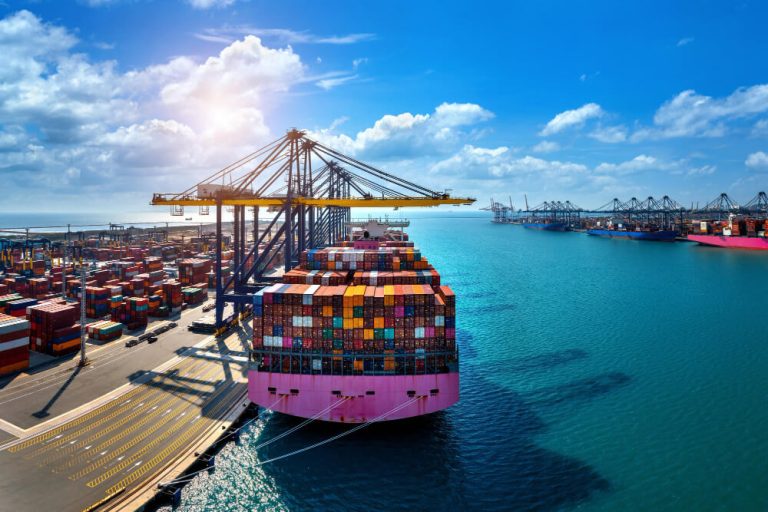
The United States and Australia have significant trade ties under the Australia–United States Free Trade Agreement (AUSFTA). In 2025 , Australia imported more than AUD 33.7 billion in goods from the United States, according to the Australian Government. Major U.S. exports to Australia include technology equipment, aircraft and parts, medical equipment and automotive products.
Major U.S. gateways for Australia-bound cargo involves the Ports of Los Angeles and Long Beach, the Port of New York and New Jersey, and major international airports. In Australia, key entry points include the Port of Melbourne, Port Botany and Brisbane Airport. The appropriate gateway rely on the shipment origin, destination, cargo type or transport mode.
Australian imports must be properly classified under the Australian Customs Tariff. Some products may require permits or additional approvals . An Import Declaration is generally required for goods valued over AUD 1,000 . Duties, taxes and other charges applicable are determined by the goods and import requirements .

When shipping goods from the USA to Australia, an IOR is the legal supplier responsible for ensuring that the shipment complies with all Australian import guidelines. This requires paying duties and taxes, taking necessary approvals, and customs clearance.
The EOR is the party legally responsible for ensuring that goods leave the USA in full compliance with US export regulations (e.g., EAR, ITAR if applicable). They handle export licenses, filings, and shipping documentation.


Delivered Duty Paid is an Incoterm where the seller or their logistics partner handles all shipping costs, import duties, and customs clearance, delivering goods to the buyer’s door ready for use.
Data Center service for shipping sensitive IT hardware (servers, networking gear, racks) from the USA to Australia. Often includes IOR/EOR service, white glove handling, DDP, and secure transport.

For larger packages or pallets (100 kg+), using a freight forwarding service through sea freight or air freight is more affordable. Below is a sample cost breakdown:
Air Freight takes around 5–7 days and costs approximately $700 – $1,000. Sea Freight takes about 25–35 days and costs between USD 300 – 600. Courier services, One Union Solutions, provide delivery within 3–5 days, with approximate costs ranging from $800 – $1,200.
Services such as cheap UPS shipping or cheap international delivery options also provide the cheapest way to mail a package for urgent small consignments.
In the U.S., customs clearance fees change between $50–$200 depending on the type of goods and required documentation
In Australia, customs tax averages around 5 percent, and the Goods and Services Tax is 10 percent. Confirming agreement with harmonized system codes reduces clearance delays
Understanding shipping rates is important for reducing expenses. For small parcels (under 5 kg), the cheapest way to send a package from the U.S. to Australia is through the cheapest post office box service, costing around $25–$35, with delivery times between 10–20 days.

The IT industry's exports from the U.S. to Australia such as semiconductors, servers, and electronics. Ports such as the Port of Los Angeles and the San Francisco International Airport are important hubs for these shipments.
The aviation sector is equally important, with Australia importing aircraft and maintenance parts for Qantas and Virgin Australia. Brisbane and Sydney airports frequently work as major entrances.
The medical industry sees both sides trade, with the U.S. exporting diagnostic equipment and Australia exporting biotech products.
Similarly, the automotive trade is significant, mainly U.S. exports of heavy-duty vehicle parts and imports of Australian off-road vehicles.
When engaging in cross-border shipping for these sectors, related shipments with HS codes, selecting the right Incoterms, and using cheap international shipping solutions confirm agreement and cost-efficiency.
For small parcels under 5 kg, USPS First-Class International or post office box services costing $25–$35 are the cheapest. For larger shipments, LCL sea freight is the most economical.
Australia applies an average customs duty of 5% and a Goods and Services Tax (GST) of 10%. Correct HS code usage can reduce or exempt duties under GSP.
DDP is better for buyers as the seller handles all customs and delivery costs. DAP is cheaper for sellers but requires buyers to pay duties and clear customs.
An Importer of Record may be required to handle the Australian import entry, customs requirements, applicable duties and taxes, and product-specific approvals. The exact arrangement depends on the goods, importer and shipment structure.
Exporters need a commercial invoice, packing list, Bill of Lading or Air Waybill, and correct HS code. Customs brokers confirm agreement with both U.S. and Australian laws.