Reciprocal Tariffs and Technology Customs duties
U.S. reciprocal tariffs could impact the cost or sourcing of imported technology, involving servers, networking equipment, electronic components and data center hardware. The actual duty will depend on the product’s HTSUS classification, country of origin, & any tariff exclusions or additional duties that apply. Tariff measures and exemptions are subject to change, so businesses should review current U.S. Customs and Border Protection guidance in advance of shipping. Importers can select the correct product details , points of origin and customs documentation to determine what duties will be charged and estimate the total landed cost. These checks are particularly essential for technology shipments that contain several components with different classifications or countries of origin.
Why Is the US Imposing Reciprocal Tariffs?
The United States has mostly depended on reciprocal tariffs as a trade strategy to balance relationships with other nations. The guideline is simple: when another country sets high import duties on U.S. goods, the U.S. responds with equal tariffs on its goods. This approach is not only about clarity but also about protecting local industries and promoting competitiveness. While effective in sending a strong message to trade partners, reciprocal tariffs also create difficulty for organizations working in import-export trades. Organizations must follow international export regulations and adjust their plans to remain easy.
How U.S. Tariffs Are Reshaping the Tech Landscape
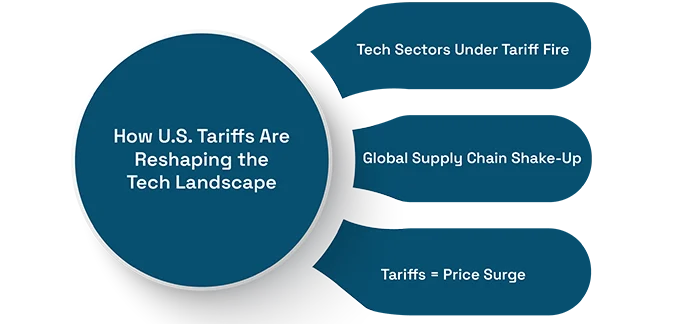
Some industries feel the impact of tariffs as strongly as technology. The production of semiconductors, microchips, and IT devices involves multiple countries, meaning any tariff adjustment wave across the supply chain. Higher tariff rates under HTS harmonized tariff schedules raise costs for importers, while customs clearance support becomes even more vital for smooth operations. Many tech organizations turn to an importer of record service to guide these challenges. These services confirm agreement with Incoterms, manage documentation, and manage delivery duty paid service problems when goods enter the U.S. For businesses, these added steps increase logistics costs, which can ultimately raise goods prices. Thus, while tariffs look to protect local producers, they also make it difficult for technology organizations to facilitate global trade.

The Future of Reciprocal Tariffs
The perspective for reciprocal tariffs depends heavily on global trade. If agreements can be reached, tariffs may ease, supporting smoother global supply chain services. Also, if disputes continue, U.S. businesses may shift toward local sourcing to reduce exposure to DDP shipping costs and customs complications. For logistics planners, the future may require a heavier dependence on comprehensive import-export support to balance regulatory issues. Export customs brokerage and exporter of record services will likely become necessary tools for organizations shipping sensitive technology goods across borders. The future of reciprocal tariffs remains uncertain, but it is clear they are impacting how U.S. organizations view long-term trading plans.
How Reciprocal Tariffs Affect Technology Imports
U.S. reciprocal tariffs can influence the cost and sourcing of technology imports, including servers, networking equipment, electronic components, and data-centre hardware. The actual duty depends on the product’s HTSUS classification, country of origin, and any applicable tariff exclusions or additional duties. Businesses should review current U.S. Customs and Border Protection guidance before shipping, as tariff measures and exemptions can change. Accurate product descriptions, origin records, and customs documentation help importers determine the applicable duties and estimate the total landed cost. These checks are particularly important for technology shipments containing multiple components with different classifications or countries of origin.
Impact on US Import-Export Trends
The introduction of reciprocal tariffs can change long-standing U.S. import-export trends. While tariffs may reduce dependence on certain overseas suppliers, they also increase costs across industries deeply dependent on global technology. Businesses using Delivery Duty Paid logistics or global supply chain services may experience delays and higher expenses. Also, broader trade guidelines such as the generalized system of preferences are being reconsidered, adding another layer of uncertainty for businesses. Organizations that invest in strong customs clearance support, freight forwarding service partnerships, and exporter of record services will be better equipped to handle the changing trade environment. The change will require adaptability, planning, and stronger approval strategies.
Conclusions
Reciprocal tariffs represent both a challenge and an opportunity for the U.S. technology sector. They are planned to create clarity in trade, but they also incur high costs and logistical issues for importers. From semiconductors to IT electronics, organizations must depend on tools such as importer of record services, comprehensive import-export support, and export customs brokerage to remain competitive. The future of reciprocal tariffs will depend on global negotiations, but their current impact is undeniable: they are changing U.S. trade strategies, supply chains, and affecting how businesses manage technology imports. For now, the best approach for organizations is to stay agile, strengthen agreements, and prepare for a developing global trade landscape.
DID YOU KNOW?
In February 2026, the White House announced an 18% reciprocal tariff rate for Indian goods, subject to product-specific duties and exemptions.
FAQs:
Q1. Why is the U.S. imposing reciprocal tariffs?
The U.S. imposes reciprocal tariffs to match trade barriers set by other countries, aiming to protect local industries and balance trade relationships.
Q2. How do reciprocal tariffs affect technology imports?
Tech imports like semiconductors and medical devices face higher costs under HS codes, requiring businesses to adjust supply chains and logistics plans.
Q3. What role do Importer of Record (IOR) services play under tariffs?
IOR services help businesses comply with Incoterms, manage customs clearance, and reduce risks when importing tech goods under stricter tariff regulations.
Q4. Which industries are most impacted by reciprocal tariffs?
Industries like IT, aviation, medical, and automotive are strongly impacted due to their dependence on global supply chains and high-tech imports.
Q5. Will reciprocal tariffs change U.S. import-export trends?
Yes, tariffs may shift businesses toward local sourcing, increase reliance on freight forwarding, and add costs to DDP logistics and customs compliance.