Customs Valuation Controversies in International Trade.
Valuation is an important aspect of international trade, as part of the assessment of the rates due as import duties and some taxes. The value of imported goods can be questioned by the customs authorities leading to delayed clearance, calls for additional documents, disputes on the correct duties payable, or demands for payment of excess fees. Such issues may exist when the invoice prices, freight prices, prices between related parties, or other prices do not conform to what Customs officials know.
Similar companies in the fields of IT equipment, aviation, automotive, & medical devices are especially susceptible, as a given shipment may contain pricey wares, technical agreements, or price structures that must have proper valuation records. Knowledge of the causes of customs valuation disputes and the appropriate response allows companies to protect their transactions and maintain accurate import records.
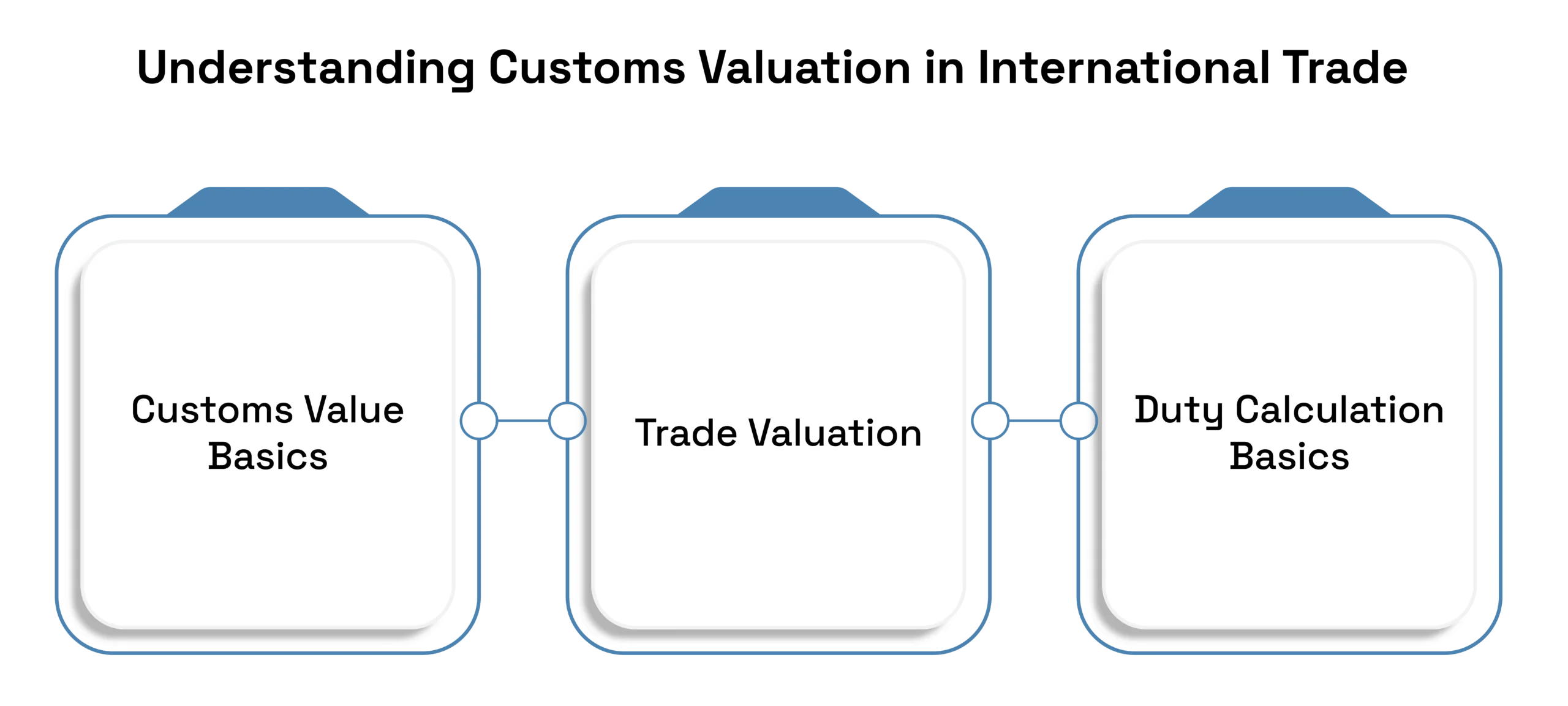
Understanding Customs Valuation in International Trade
In general, Customs Value is the value of goods for the purposes of levying ad valorem duties of Customs. Ad valorem duties are duties that are calculated based on the value. The Agreement stipulates that customs valuation shall, except in specified circumstances, be based on the actual price of the goods to be valued, which is generally shown on the invoice. The customs value of imported goods shall be the transaction value, that is the price actually paid or payable for the goods when sold for export to the country of importation adjusted in accordance with the provision of the agreement.
Customs Valuation Conditions and Common Reasons for Disputes
The sale does not involve any abnormal discount or reduction from the ordinary competitive price.There are no restrictions concerning the disposition or use of the goods by the buyer.The transaction value method cannot be applied in cases where the buyer and seller are related and the relationship has influenced the price.
In certain situations, the Customs authorities could reject the declared value (transaction value method), if the truth or accuracy of the declaration is reasonably suspected.Materials are often supplied by the importer (or from a third party on behalf of the importer) to the seller or processor either free of charge or at a reduced cost.The fact that a royalty is paid by the buyer to the seller is not in itself sufficient reason for assuming that the whole or indeed any part of it is necessarily related to the imported goods and therefore is to be included in the customs value.
How to Prepare for a Customs Valuation Dispute
Use the seller’s invoice or whatever document they use to ask for payment as evidence, providing that there can be no doubt about the document’s authenticity.The customs officer may ask the importer to provide further explanation, including documents or other evidence. The importer shall have the right to an explanation in writing from the customs administration as to how the customs value of his/her goods was determined. The ACV provides the right to an importer to file administrative and judicial appeal against the decision of Customs without penalty.
Managing Valuation Issues Across Different Equipment Categories
The cost of the equipment, exclusive of the freight and insurance costs to the manufacturer’s premises if separately distinguished, is to be included in the customs value of the imported goods.
Warranty is a guarantee that the goods will be free from defects. It attaches to the goods and is an integral part of the goods.
If the equipment had been previously used by the importer, regardless of whether it had been acquired or produced by them, the original cost of acquisition or production would have to be adjusted downwards to reflect its use.

Conclusion
In case of persistent doubt, after examining the explanation provided by the importer or otherwise, the declared value may be rejected.all appropriate documentation has been made available to the Customs administration and has been inspected. The the customs officer shall communicate to the importer the decision and the grounds therefore in writing.
One Union Solutions for support with customs valuation documentation & cross-border shipments of IT, aviation, automotive, and medical equipment. Maintaining correct valuation records and providing the required supporting documents can help businesses respond to customs queries and manage valuation disputes.
Did You Know?
In October 2026, the WCO adopted Advisory Opinion 28.1 addressing customs valuation when physical inspections reveal documents showing a different transaction price. It explains how verified documents can be used to determine customs value.
FAQ
What documents help businesses respond to customs valuation disputes?
This value may be supported by commercial invoices, purchase orders, sales contracts, payment records, freight bills, insurance, and royalty or license agreements. Additional documents may be required depending on the nature of the transaction.
Are freight and insurance costs included in customs value?
They may also be subject to the national customs law of the country of import. In the case of transport and insurance it differs on a country-to-country basis depending on whether the customs value is required under the WTO Customs Valuation Agreement to include them.
What are the six methods of customs valuation?
The six methods are transaction value, identical goods, similar goods, deductive value, computed value and fallback method. Customs applies them in the prescribed order under the WTO Customs Valuation Agreement.
Can customs reject the value declared on the transaction?
Yes. Even after considering the importer’s explanation and documents supporting the declared value, customs may still have reasonable doubts about the truth or accuracy of the declared value and may reject the declared value.
Does a relationship between the buyer and seller affect customs valuation?
Not automatically. The transaction value can still be accepted when the buyer and seller are related, provided their relationship has not influenced the declared price.