Introduction
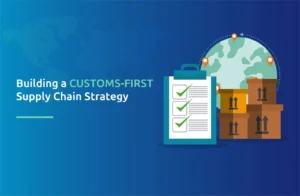
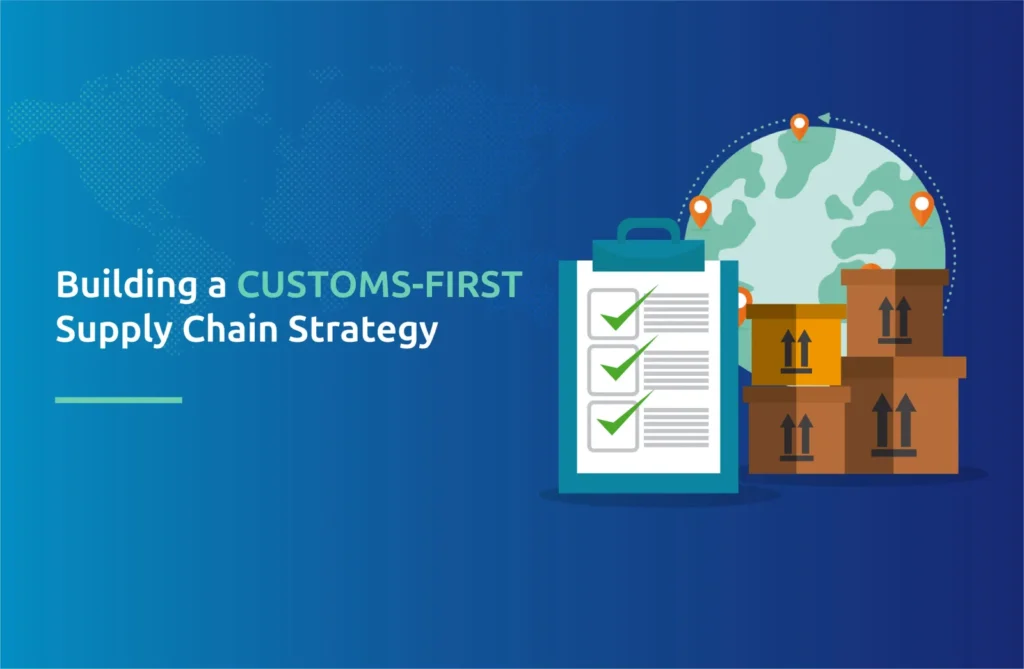
Global supply chains rely on smooth management between suppliers, logistics teams, warehouses, or customers. Customs is often review only after goods are ready to move, creating avoidable delays or extra costs. A customs-first plan brings customs requirements into the planning stage.
Companies can review classification, documentation, duties, approvals, & importer duties early. This approach helps identify potential border issues before the shipment is shipped. It creates a more stable or compliance-focused supply chain.
What Is a Customs-First Supply Chain Strategy?
A customs-first plan brings customs or import requirements into supply chain planning from the beginning. Companies review product classification, importer duties, documentation, approvals, duties, taxes, or destination requirements before shipped.
This approach helps businesses identify potential customs issues early & choose suitable shipping routes and processes. For example, before sending technology equipment globally, a company can confirm the HS code, importer, required approvals, documents, & applicable charges before finalizing the shipment.
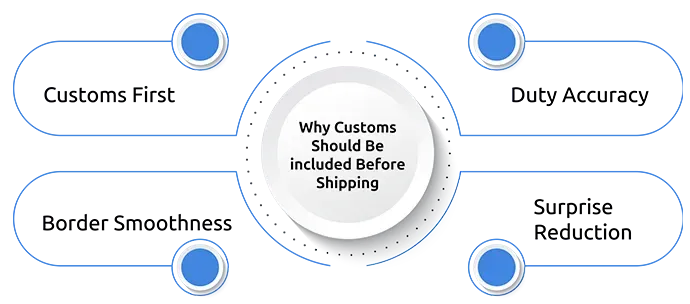
Why Customs Should Be included Before Shipping
Checking customs requirements before shipment helps companies find possible errors while there is still time to resolve them. Import licenses, HS classification, approvals, duties, or supporting documents can affect whether goods enter smoothly.
Early classification review helps avoid incorrect duty calculations or regulatory issues, while correct invoices, packing lists, certificates, & shipping documents make sure the paperwork matches the shipment.
A customs-first approach therefore reduces reducible surprises & helps companies prepare shipments more confidently before they reach the border.
Make Documentation Part of Shipment Readiness
A shipment is not completely prepared just because the goods are loaded. Customs documents should be identify at the same time to make sure they correctly show the shipment.
Commercial invoices, packing lists, shipped documents, approvals, or certificates should have correct or complete information. For regular shipments, a standard documentation process can help identify missing details before shipping.
Keeping shipment records organized also makes it easier to update customs documents when product or logistics information changes.
Design the Route Around Compliance
The fastest route is not always the good choice for customs clearance. Shipments changing across multiple countries, ports, airports, warehouses, or free zones may face extra documentation & regulatory requirements.
Checking the route before booking shipping helps companies confirm that the entry point, transit method, customs processes, or delivery plan fit the destination’s import requirements.
This is especially useful for temporary imports, project cargo, trade-show equipment, replacement parts, & data-center hardware.
Create a Pre-Dispatch Customs Gate
A pre-dispatch customs check helps confirm that a shipment is ready before it leaves the origin. Companies can verify the product details, importer structure, required documents, approvals, in advance.
This check does not assure customs release, as authorities may still inspect goods, request information, or make their own regulatory decisions. The goal is to identify & resolve avoidable issues before the shipment begins its journey.
How a Customs-First planning Improves Supply Chain Resilience
A customs-first plan helps companies identify border risks before they become shipment delays. Early review gives teams more time to address documentation gaps, classification questions, approvals, & other import requirements.
It also improves management between logistics, finance, purchasing, or compliance teams. When customs requirements are considered during supply chain planning, businesses can respond to potential issues earlier and maintain more predictable global shipments.
The Role of an IOR Service Provider
An IOR service offer can support companies that need a suitable local importing structure. Relying on the agreed scope, the offering may manage import processes, support customs documentation, and work with relevant logistics parties.
However, an IOR service does not automatically cover product approvals, technical certifications, inspections, permits, or tax requirements. These requirements should be reviewed individually based on the product or destination.
Clear duties should be set up before shipment so each party understands what the IOR arrangement covers.
Conclusion
A customs-lead supply chain brings border requirements into the planning stage rather than delaying them until final clearance. checking classification, importer duties, documentation, aprovals, or routes early can help minimize avoidable errors & delays.
For companies managing global shipments, this method enhanced management between customs & logistics while creating greater clarity through the supply chain. A well-organized customs process can support smoother & more smooth cross-border movement.
Did You Know?
UN Trade and Development reported that global trade grew by about 7.5% in 2025, reaching a record $35 trillion.
FAQs
What is the role of customs in supply chain management?
Customs controls the import & export of goods at country level borders & applies requirements relating to declarations, classification, valuation, duties, taxes, & other applicable trade controls. Its decisions can directly affect supply chain timing or cost.
What is customs compliance in supply chain management?
Customs compliance means makes sure that global shipments meet the applicable customs & trade requirements of the countries includes. It can involves classification, valuation, origin, documentation, declarations, duties, or regulatory requirements.
How does customs affect supply chain costs?
Customs can affect delivered cost across duties, import taxes, fees, storage, inspections, brokerage, & delays. Accurate planning helps companies understand these potential costs before goods are shipped.
What is a customs risk assessment?
A customs risk assessment assess the likelihood & potential impact of issues such as incorrect classification, missing documentation, restricted goods, incorrect valuation, importer problems, or compliance related requirements.
Why is HS classification important?
HS classification decides how goods are found for customs purposes or can influence duty rates, import restrictions, statistical reporting, & other regulatory requirements. Correct classification is therefore an important part of customs planning.