
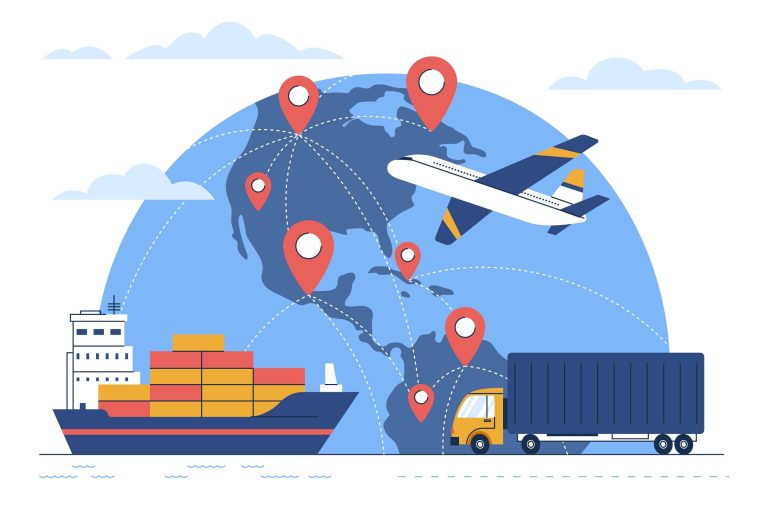

Overview of Melbourne’s Logistics Hub
Delving into Melbourne’s logistics hub, this section emphasizes its strategic importance in global trade, supported by modern infrastructure and efficient connectivity.
Importance of Melbourne in Global Trade
The location of Melbourne strategically positions the city as a vital point for both international import and export activities in the Australian market. The portion investigates Melbourne’s well-integrated transportation networks together with its access to key maritime shipping paths that consolidate its important position in worldwide commercial operations. Melbourne’s major position as a global logistics hub makes it a perfect gateway for global freight forwarding operations, mainly for businesses using trade preferences such as the Generalized System of Preferences (GSP). Freight forwarders in Melbourne confirm smooth cargo handling by expertly guiding agreement requirements, such as proper documentation and accurate categorizations of goods under the HS Code (Harmonized System Code). This attention to global standards and tariff structures allows businesses to benefit from duty reductions under GSP agreements while confirming simplified customs clearance and optimized shipping routes.
Infrastructure and Facilities
Melbourne has strong logistics infrastructure, including modern ports, roads, rail networks, airports, and warehouses. These facilities help businesses move goods across Australia and connect with international markets. Melbourne is well connected by air, sea, road, and rail, making it easier to transport cargo between ports, warehouses, businesses, and customers.
Customs clearance is an important part of international shipping in Melbourne. Businesses must follow Australian customs rules and provide the correct documents and shipment details. These may include commercial invoices, packing lists, bills of lading or air waybills, and customs declarations. Correct product details, value, origin, and classification are also important. A customs broker or freight forwarder can help manage documents and respond to customs questions when needed. Proper preparation can help reduce errors and avoid unnecessary delays.
Why Choose Freight Forwarders in Melbourne?
Exploring the advantages of choosing Melbourne-based freight forwarders reveals meticulous attention to detail, showcasing their local expertise, customized services, and a proven track record.
Cargo freight forwarders maintain deep knowledge of Melbourne’s logistics structures and regulatory framework to offer customized solutions. The freight forwarders in Melbourne provide customized solutions to business and individual requirements within the distinctive trade conditions of the city through their tailored service approach.
The significance of testimonials and success stories further underscores their reliability and effectiveness, providing tangible evidence through past deliveries and satisfied clients.
Navigating Melbourne’s Trade Landscape with One Union Solutions
One Union Solutions provides freight forwarding services in Melbourne for businesses moving goods within Australia and across international markets. The services can include shipment planning, carrier coordination, transport arrangements, documentation, customs coordination, and final delivery support. Freight can be moved by air, sea, road, or rail based on the shipment and business needs. One Union Solutions can also support warehousing where available and help businesses manage their cargo through different stages of the shipping process.
Conclusion
Freight forwarding in Melbourne helps businesses move goods by air, sea, road, and rail. Good planning, correct documents, customs coordination, and reliable transport arrangements can make international shipping easier to manage. One Union Solutions provides freight forwarding support in Melbourne based on the type of cargo, destination, and business needs.
DID YOU KNOW?
Just 22.5 km from the Port of Melbourne, 15 km from Melbourne Airport, and a 45-minute trip via the Port Rail Shuttle Network, the terminal will receive multiple high-capacity freight deliveries daily from all stevedores at the port.