
1000+ companies now know their exact duty, VAT, and IOR costs before they ship, not when customs holds their cargo hostage. Join them.
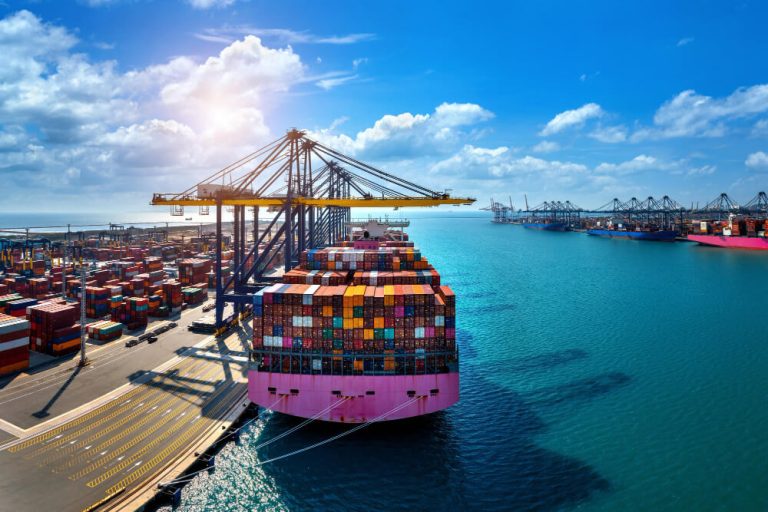
Transporting goods from South Korea and Germany concerns many factors affecting shipment costs, timing, and safety. The weather can impact the delivery time, particularly when shipping ocean freight. So, planning for the seasons is crucial. Customs clearance requires accurate documentation, with precise HS codes, to prevent delays or extra costs for demurrage.
Choosing the right port has a significant impact. The South Korean Busan and Incheon ports and German ports Hamburg and Bremerhaven provide a robust infrastructure and capabilities for handling cargo. They boost quicker clearance of customs and lower storage costs. Because delicate & valuable equipment is often moved between the two countries, careful packing and handling are essential to ensure the shipment is safe and arrives on time.

The IOR service handles all clearances and payments of customs concerns to allow shipments to be brought into a country. It guarantees that all tariff payments and documents should correspond to international laws, and promotes shipments to go through customs without extra delays and financial sanctions.
The EOR is a service granted to the shipper of the commodities to clear any export documentation and ensure the goods comply with the rules during exportation of the commodity. It assists in shipping goods out of South Korea by taking care of all legal and logistical aspects of shipping.


where DDP service is offered, all import duties and taxes are paid before delivery. This eliminates the burden of paying the customs costs at the destination and thus enables the shipments to clear customs fast and without any additional headache.
The data center solutions provide specialized transport of delicate IT goods and equipment. It will also provide secure transportation with live monitoring and guarantee strict compliance, therefore, data center equipment will be shipped safely and on time.

Air freight is more expensive and faster, whereas ocean freight is slow but the most cost-effective when moving bulk. The size of the shipment, urgency, & budget are the factors that influence the choice of the best alternative.
Ports with a well-developed cargo handling system would cut the waiting time and prevent additional demurrage costs, enhancing the entire shipping efficiency.
Delays in ocean freight can be impacted by weather, especially in particular seasons. From a logistical perspective, scheduling shipments during such periods will help lessen the chance of delivery delays.
Proper classification with HS codes and well-kept export registers facilitates smooth shipments through customs with no unwarranted holdups.
The transparent tracking systems would enable the shippers to see the status of cargo in real-time, so swift action can be undertaken in case of a problem being experienced during transport.
A customs broker is essential for smooth shipping. With their experience, they understand complex import & export rules. Customs brokers make sure all paperwork is correct, which helps to avoid delays & costly fines at customs.

Merging several small shipments into one large shipment will reduce the cost factor in every shipment and the efficiency spreads
Use of terms such as DDP puts a clear responsibility on who should pay duties and taxes; thus making customs clearance and budgeting easier.
secure but compact packaging protects the goods and keeps the dimensional weight fees as low as possible.
Pay close attention to key drayage options & inland transportation to avoid unforeseen costs once the shipment is delivered to the port.
Following regulations regularly on tariffs and customs policies, ensure the shipping process goes smoothly, and you know what to expect regarding customs clearance and tariffs.
The best option is to combine ocean freight and support it with professional customs clearance and DDP services.
Ensuring that the customs duties are paid correctly and that the paperwork is correct will help ensure that they cannot put off events for unreasonably long periods and face large penalties.
DDP implies that all import taxes and duties have already been paid before the delivery, making the imports easily clear through customs and avoiding surprises upon arrival.
Yes, most services have real-time tracking to ensure visibility and ease of rest.
Correct classification avoids demurrage, shipment holds, and fines instigated by the wrong application of tariffs.