
1000+ companies now know their exact duty, VAT, and IOR costs before they ship, not when customs holds their cargo hostage. Join them.
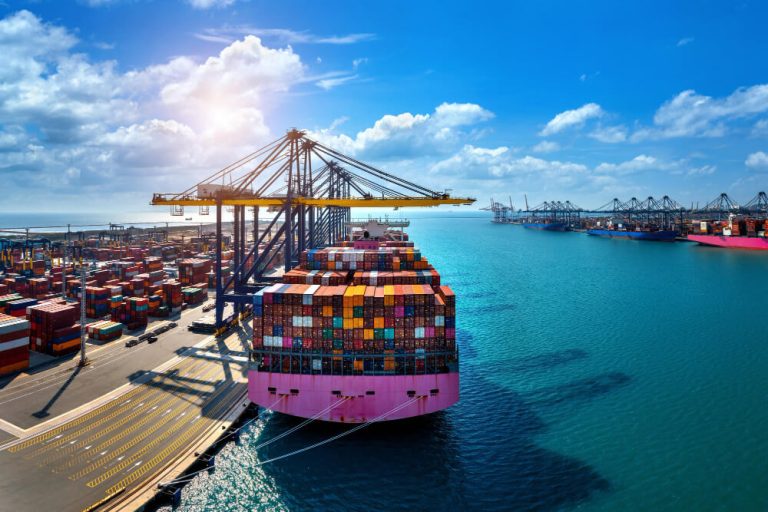
India and South Korea have a strong trade relationship, driven by sectors such as IT, aviation, medical devices, and automotive manufacturing. India exports a large volume of electronic components, automotive parts, and medical equipment to South Korea, while importing semiconductors, aircraft components, and high-tech medical equipment. Major Indian hubs include Jawaharlal Nehru Port, Mundra Port, and Chennai Port, while air cargo operations are centered around Delhi, Mumbai, and Bengaluru airports. South Korea has Busan Port working as the biggest shipping entrance, while Incheon and Gimhae International Airports manage huge air freight. With trade between the two nations crossing billions yearly, confirming the cheapest way to ship a package or bulk cargo is vital for businesses in competitive industries.

Importer of Record Service: An IOR service confirms agreement with South Korean customs, handling duties, taxes, and documentation. This reduces delays, simplifies entry under the correct HS code and supports clients unfamiliar with local laws. As an exporter from India, you do not need to be the Importer of Record. The role can be filled by the Korean buyer, a third-party Importer of Record service provider, or a local customs broker.
Exporter of Record Service: For businesses in India, EOR solutions simplify documentation, licensing, and adherence to Incoterms, confirming goods leave the country legally and quickly. An EOR from India to South Korea is the legal entity responsible for confirming that the export transaction fully follows Indian export laws.


DDP Shipping: Many forwarders recommend DDP service for the lowest shipping rates, where the service provider takes responsibility for customs clearance, tariffs, and complete delivery. This is especially effective for IT hardware and medical equipment, where timely clearance is critical in Korea.
Data Centers and Logistics Benefits: With South Korea being a digital hub, shipping IT equipment to data centers under proper freight forwarding services confirms safety-locked management, cheap international shipping, and suitability with client requirements.

The cost of cheap international delivery depends on shipment size, mode, and value:
Sea shipping: The cheapest overseas shipping option for bulk cargo. A 20-foot shipment can cost around USD 800–1,200, while a 40-foot shipment ranges between USD 1,500–2,000, depending on the size.
Air shipping: Quick but high in cost. Air cargo rates average USD 3–5 per kg, perfect for IT hardware, medical devices, or urgent aviation parts
Courier & Postal Options: The cheapest post office box or courier solution can start as low as USD 25–40 for small goods. This is frequently the cheapest way to ship a package under 5 kg.
Customs & Tariffs: Duties are calculated using the harmonized system code. Using trade benefits such as the generalized system of preferences (GSP) can reduce tariffs and allow for cheap UPS shipping or forwarders’ negotiated discounts.
By using professional freight forwarding companies, businesses can improve costs through DAP or DDP shipping, route planning, and bulk carrier agreements, resulting in the lowest shipping rates.

Electronics and semiconductors demand dependable, cheap international shipping with careful customs documentation under the right HS code.
Most IT shipments prefer air forwarding for speed, but sea freight is frequently the cheapest way to send a package in bulk.
Aircraft parts and MRO supplies require forwarding freight services with a strong agreement. DDP shipping confirms on-time clearance without delays.
Biotech and medical devices require temperature-controlled and secure logistics solutions. Using EOR/IOR services confirms regulatory agreement, and it's the cheapest way to mail a package internationally.
Both nations trade engines, spare parts, and vehicles. Sea freight provides the lowest shipping rates, while air forwarding is reserved for urgent components.
The cheapest way depends on shipment size. For bulk cargo, sea freight offers the lowest rates, while for small parcels under 5 kg, courier or postal services are the most affordable.
On average, a 20-ft container costs between USD 800–1,200, while a 40-ft container ranges from USD 1,500–2,000, depending on the route and carrier.
Yes, an IOR is required to handle customs clearance, tariffs, and compliance. This role can be filled by the Korean buyer, a local customs broker, or a third-party service provider.
Transit times vary by mode of transport. Air freight typically takes 3–7 days, while sea freight can take 15–30 days, depending on the port, carrier, and customs clearance process.
Industries such as IT, aviation, medical device, and automotive benefit the most due to their reliance on timely, cost-efficient, and compliant international shipping solutions.