
1000+ companies now know their exact duty, VAT, and IOR costs before they ship, not when customs holds their cargo hostage. Join them.
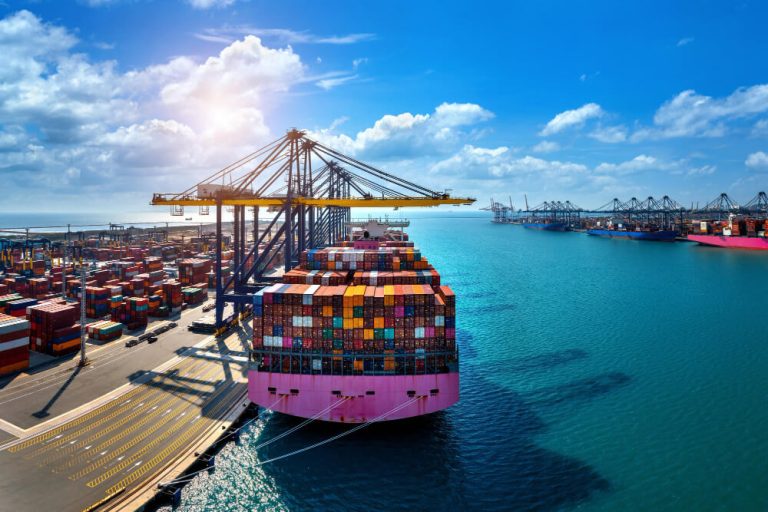
The USA and Canada have a strong trade relationship because they share a border and have well-connected transport networks. Businesses ship goods between both countries every day, including IT equipment, medical devices, aircraft parts, and automotive components.
Major transport routes support shipping from the USA to Canada through road, air, and sea freight. Ports such as the Port of New York and New Jersey, Port of Seattle, and Port of Detroit support cargo movement. Canadian airports, including Toronto Pearson, Vancouver International, and Montréal–Trudeau, also handle international air cargo. Road freight is widely used for cross-border shipping, with routes connecting cities such as Chicago, Buffalo, and Windsor. Businesses importing or exporting goods must also check customs documents, correct HS codes, and applicable HTS tariff rates. USMCA trade rules may provide reduced or zero customs duty for eligible goods, depending on their origin and product requirements. Proper customs clearance and freight forwarding services help businesses manage these steps and move shipments between the two countries smoothly.

An Importer of Record (IOR) is the service provider legally responsible for confirming that imported goods follow local laws and regulations in Canada. The Importer of Record service provides benefits such as confirming shipments meet Canadian import regulations, managing all documents with customs brokers, and transferring the legal responsibility to the IOR provider.
An Exporter of Record (EOR) is the entity responsible for ensuring that goods leaving the USA comply with U.S. export regulations. The exporter of record service offers benefits such as confirming goods follow U.S. export control laws, managing all export paperwork, reducing clearance delays, and supporting complex Exports.


DDP is an Incoterm where the seller assumes full responsibility for shipping, export/import duties, and delivery to the final location in Canada. The DDP service offers benefits such as no hidden costs or delays at the border, the Buyer avoids dealing with customs clearance and brokers, and Cost Predictability for Buyers.
Data center logistics refers to the specialized handling, shipping, and installation of servers, network equipment, storage devices, and IT hardware across borders. The Data Center service offers benefits such as specialized packing and transport that protects against damage, Approval with Tech Import Laws, Timely, secure deliveries that keep work running smoothly

Efficient cross-border shipping demands both major planning and regulatory expertise. Here are a few proven tips
Use DDP or DAP terms based on control and budget preference.
Classify goods properly using the correct HS code
Use cheap overseas shipping channels for bulk and scheduled deliveries
Choose experienced forwarders who provide bundled freight forwarding services
Combined shipments to benefit from cheap international delivery rates
One Union Solutions specializes in end-to-end freight logistics, from freight forwarding to customs clearance, confirming that your package reaches its Canadian destination without delay

Freight Forwarding Fee: $30 Customs Brokerage Fee: $75 Duties/Taxes (DDP): $25 (depending on good classification) Total Fees: $130
For air freight or quick delivery shipping within 1–2 days, expect to pay around USD 200–250.
However, choosing DAP or DDP Incoterms wisely can reduce unexpected charges.
Those looking for cheap international shipping or the cheapest way to ship a package may opt for ground freight or even post office options, with the cheapest post office box delivery methods ranging from $25–$50 USD for small parcels under 5 lbs.
Cheap international shipping options, such as cheap parcel delivery, can provide better rates for bulk shipping, mainly when managed through combined freight forwarding partners.
Ground shipping through USPS, UPS Ground, or combined freight forwarding services is typically the cheapest. Small parcels under 5 lbs may cost between $25–$50.
Use DAP if the buyer will handle customs and duties; use DDP if the seller wants full control and to cover all import costs upfront.
Yes, a customs broker is necessary for clearing goods through Canadian customs, confirming proper documentation, and handling tariffs and taxes under HTS codes.
Typical documents include a commercial invoice, packing list, bill of lading or air waybill, and HS Code classification.
We provide volume discounts, bundled freight forwarding, and smart customs strategies under DDP/DAP, confirming the lowest shipping rates and full agreement.