
1000+ companies now know their exact duty, VAT, and IOR costs before they ship, not when customs holds their cargo hostage. Join them.
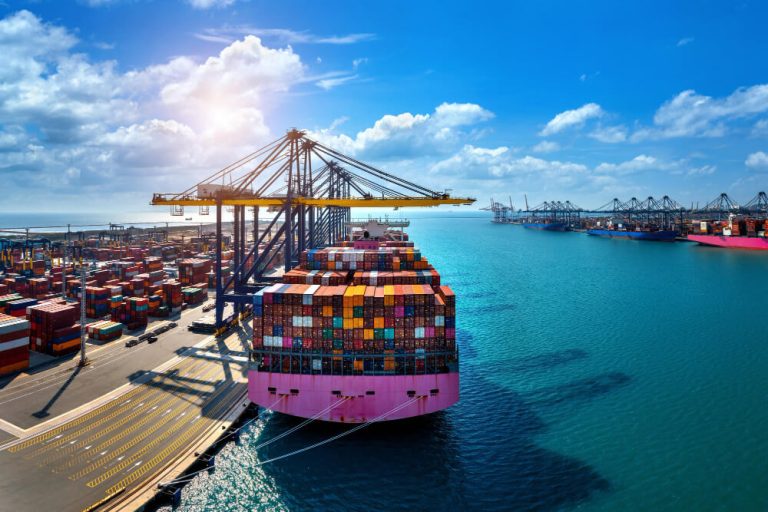
The US and Canada share one of the world’s largest and busiest trade partners, with billions of dollars in goods crossing the border daily. US ports such as Los Angeles, New York, New Jersey, and Seattle-Tacoma are able to manage many exports of goods to Canada. The key centers, such as the Port of Vancouver, Montreal, and Halifax, are located in Canada. These airports, such as Chicago O’Hare Airport, Los Angeles Airport, Toronto Pearson Airport, and Vancouver Airport, play significant roles in air freight. In sectors such as IT, valuable equipment and tools move frequently through Silicon Valley and Canadian tech hubs like Toronto or Ottawa. The aviation industry sees slow trade in aircraft parts and engines. Medical supplies and equipment are frequently shipped through special freight forwarding services for fast customs clearance. The automotive sector depends massively on the regional supply chains between Detroit and Ontario’s manufacturing sector. These industries benefit from well-defined Incoterms, HS Codes, and HTS Harmonized Tariff schedules to simplify customs declarations.

An Importer of Record service confirms that all duties and taxes are paid and that shipments follow Canadian laws, saving organizations from costly delays or fines.
An Exporter of Record manages the required export document and approval on the US side, confirming shipments meet both countries’ generalized system of preferences rules, if applicable


Delivery Duty Paid (DDP) shipping is another convenient solution that allows shippers to provide a full-service delivery with all duties and taxes prepaid, making it simple for Canadian customers.
Modern data centers use advanced logistics sources to track shipments, improve routes, and reduce costs. Many organizations also depend on DAP or DAPS shipping, where the buyer manages tax but the seller covers shipping.

The cost to ship from the US to Canada depends on various factors like package weight, delivery speed, customs duties, and Incoterms. For example:
Small Packages (under 5 lbs): Using the cheapest post office box or USPS First Class International may cost $20–$40.
Medium Packages: Expect $50–$150 using cheap international shipping options such as USPS Priority International or cheap UPS shipping.
Large Shipments & Pallets: For cargo freight, freight forwarding, or DDP shipping, the main range is from USD 500 to 2,500, depending on the selection of services such as air, land, or ocean shipping.
Using the cheapest way to send a package may mean longer delivery times but lower fees. Also, premium services such as cheap international delivery with express shipping can be quick but more expensive.
Companies frequently compare the lowest shipping rates among major carriers to balance speed and cost.
For businesses, working with a trusted freight forwarding service confirms managing documentation, customs, and Incoterms agreements, while helping find the cheapest way to ship a package or the lowest shipping rates with expert forwarders

For the IT industry, shipping servers or networking gear frequently requires special handling and insurance, with costs ranging from $100 to $1,000 per good, depending on the method and HS Code categorization.
In aviation, shipping aircraft parts under strong harmonized system codes may require special packaging and can cost thousands per shipment due to high value and weight.
The medical sector depends on temperature-controlled packaging for medical devices, adding $50–$300 per shipment in cold chain logistics.
For the automotive industry, large shipments of parts, engines, or assemblies frequently move under DDP contracts, helping buyers avoid customs issues.
Costs change mainly but average USD500–5,000 per container, depending on size and select freight forwarding service.
The cheapest option for small packages is USPS First Class International or Priority International. Comparing freight forwarding services and standard ground shipping for larger shipments can lower costs.
Major US ports include Los Angeles, New York, New Jersey, and Seattle-Tacoma. Key Canadian hubs are the Port of Vancouver, Montreal, and Halifax.
Incoterms define who pays for shipping, duties, and taxes. For example, DDP means the seller pays all fees, while DAP or DAPS shifts some costs to the buyer.
An Importer of Record ensures your shipment complies with Canadian customs laws, pays duties and taxes properly, and prevents delays or fines.
Costs depend on package size, shipping method (air, ocean, ground), delivery speed, customs duties, special handling (e.g., medical cold chain), and industry-specific HS Codes.