
1000+ companies now know their exact duty, VAT, and IOR costs before they ship, not when customs holds their cargo hostage. Join them.
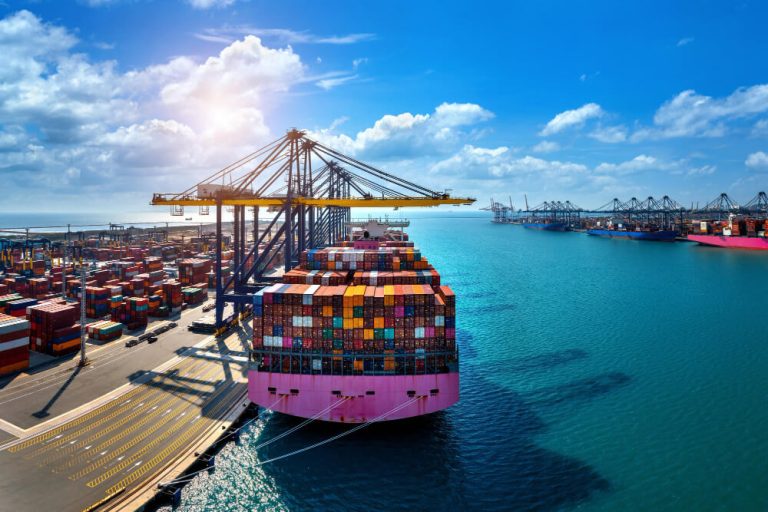
Shipping costs from Japan to the USA change widely based on many factors, such as the shipping method, package size, weight, and the specific shipping service used. Japan and the USA share one of the world’s most strong trade relationships, work by advanced manufacturing, technology, and valuable exports. Major Japanese ports such as the Port of Yokohama, Port of Tokyo, and Port of Kobe handle huge container tax to the United States, while Narita International Airport and Kansai Airport support air freight, mostly for urgent goods. The US side, major import hubs such as the Ports of Los Angeles, Long Beach, Seattle, and major airports such as Los Angeles International Airport and Chicago O’Hare. Heavy-size industries such as IT hardware, aviation parts, medical equipment, and automotive components depend heavily on effective logistics and freight forwarding services to maintain their supply chain. Many of these goods fall under a specific HS code to categorize them correctly and calculate duties under the HTS harmonized tariff schedule. Some products may benefit from the Generalized System of Preferences, depending on trade agreements and eligibility.

Setting up an Importer of Record service can take a few days to 2 weeks, depending on paperwork, approval checks, and good categorizations. For routine shipments, once the IOR is in place, customs clearance is faster, usually 1–3 days if all documents are correct.
An Exporter of Record can be arranged in a few days to 1 week. Actual export customs clearance mainly takes 1–2 days, depending on the port/airport, goods, and cargo.


DDP shipping can add 2–5 extra days to normal transit times, because the shipper must clear customs at the destination and pay duties/taxes upfront. For door-to-door USA shipments, total delivery is mainly 7–15 days by air and 30–40 days by sea, depending on origin.
Setting up a data center hardware deployment can take 2–8 weeks, depending on hardware complexity and site readiness. Ongoing support for shipping replacement parts or upgrades usually takes 1–5 days for local delivery in the USA.

Shipping costs and trade size change by industry.
In the IT sector, Japan exports semiconductors, servers, and electronics to the USA.
High-value electronics frequently use air freight, increasing costs but confirming fast delivery, mainly $5–$8 per kg.
In aviation, aircraft parts and specialized equipment require strong packaging and customs expertise, frequently under DAP or DAPS terms to manage delivery risks and duties.
The medical industry ships devices and diagnostic equipment with strict cold chain or handling requirements, influencing freight forwarding costs.
The automotive sector remains one of the largest, shipping car parts, engines, and accessories, mostly by sea, for cost efficiency under DDP shipping agreements.
Understanding the correct HS code helps companies use trade benefits and avoid penalties.

Shipping from Japan to the USA takes 12–25 days by sea shipping, depending on the route, shipping, and final port.
For urgent shipments, air freight can reduce logistics time to 2–7 days.
Customs broker fees range from USD 100 to 400, depending on shipment value and documentation.
Warehousing services help store goods sometimes until the last delivery.
Businesses frequently differentiate between forwarders to choose the cheapest way to ship a package globally but balancing speed, security, and approval with Incoterms.
By sea, it usually takes 12–25 days, while air freight can deliver goods in as little as 2–7 days.
Key Japanese ports include Yokohama, Tokyo, and Kobe. US entry hubs include the Ports of Los Angeles, Long Beach, and Seattle.
Major sectors include IT hardware, aviation equipment, medical devices, and automotive components.
Ocean freight for a 20ft container generally ranges from $1,500 to $2,800, excluding inland, customs, and warehousing fees.
A licensed customs broker ensures the correct HS Code is used, manages duties under the HTS tariff, and clears your shipment smoothly while avoiding costly delays.