
1000+ companies now know their exact duty, VAT, and IOR costs before they ship, not when customs holds their cargo hostage. Join them.
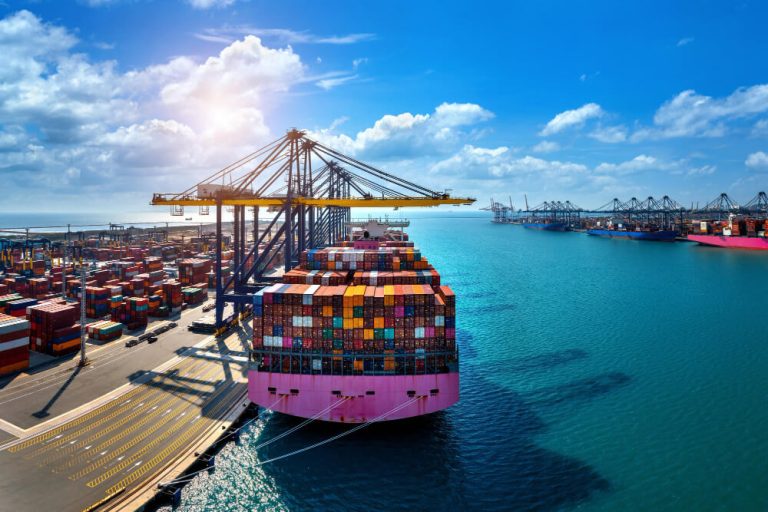
Germany and the United States maintain one of the strongest intercontinental trading partnerships, with logistics hubs to be developed in both sea and air routes. Major German export ports such as Hamburg Port, Bremerhaven, and Wilhelmshaven, while major airports such as Frankfurt Airport, Munich Airport, and Leipzig/Hale Central Cargo Hub. U.S. In, Port of New York and New Jersey, Port of Los Angeles, Port of Sawan, and Air Stations such as Chicago O’Hare International Airport and John F. Kennedy International Airport.
Germany exports a wide range of goods, mostly in areas such as automobiles, aviation (aircraft components), medical equipment, and IT hardware. These accessories are classified under most standardized systems, such as Harmonized System Code (HS code) or HTS harmonized tariff schedule, which confirms effective customs processing. Exporters and importers benefit from business systems such as the Generalized System of Preferences (GSP) for some eligible goods and reduce duties under global agreements.

An Importer of Record service is crucial when a foreign company needs to import goods into the USA but does not have a legal entity established there. The IOR takes full responsibility for confirming agreement with US customs regulations, proper documentation, and payment of duties and taxes
An Exporter of Record service is equally important on the German side. The EOR ensures that all export procedures are handled correctly, including export licenses, classification of goods (HS Codes), and agreement with EU export controls.


DDP is an Incoterm where the seller takes full responsibility for delivering the goods to the buyer’s location in the USA, including shipping costs, insurance, import duties, and taxes.
For technology and enterprise companies shipping IT equipment, servers, or data center components from Germany to the USA, specialized data center logistics services are vital.

Labeling, correct categorizations under the harmonized system code, and working with experienced customs brokers can prevent delays.
Consider the cheapest way to ship a package by comparing methods. While cheap international shipping may be tempting, service dependability and speed should not be sacrificed.
One Union Solutions specializes in simplifying cross-border shipping, providing customized freight forwarding services, agreement guidance, customs brokerage, and DDP shipping options.
If you're a tech exporter or medical device company, One Union Solutions confirms accuracy in HS Code identification, delivery duty-paid options, and effective coordination from packaging to final-mile delivery.
Access to cheap overseas shipping and combined networks reduces your shipping costs while improving delivery times.
To confirm smooth logistics, businesses should plan with a clear understanding of Incoterms, customs procedures, and dependable freight forwarding companies.

Inland transport within Germany can cost between $100 and $400. Ocean freight charges, depending on whether Less Than Container Load (LCL) or Full Container Load (FCL) is selected, range from $500 to $2,500.
For those selecting air freight, rates mostly range from $4 to $8 per kg. Customs clearance and broker fees require a fee of USD 100 to 300, while duties and taxes are based on the Harmonized Tariff Schedule, which varies by product type.
Complete delivery to the location in the U.S. may cost anywhere from USD 100 to 500. Packaging and pickup services generally range from $50 to $200.
For personal or small organizations, choosing the cheapest way to send a package means selecting the cheapest post office box pickup, cheap UPS shipping, or cheap international delivery services.
Companies looking for bulk or containerized solutions frequently look for the lowest shipping rates through forwarders.
The fastest method is air freight, typically taking 5–10 days depending on the route and cargo type. It’s ideal for urgent or high-value shipments.
Ocean freight for a full container load (FCL) ranges from $1,200 to $2,500, while less-than-container load (LCL) shipments cost around $500 to $1,200, excluding inland and customs fees.
Key documents include a commercial invoice, packing list, bill of lading or air waybill, HS Code declarations, and customs clearance paperwork based on Incoterms.
In Germany: Hamburg, Bremerhaven, Wilhelmshaven (seaports) and Frankfurt, Munich, Leipzig/Halle (airports). In the USA: Los Angeles, New York/New Jersey (ports), and JFK, Chicago O’Hare (airports).
Yes, by classifying products accurately under the Harmonized System (HS) Code and checking eligibility under agreements like the Generalized System of Preferences (GSP), you may reduce or eliminate tariffs.