
1000+ companies now know their exact duty, VAT, and IOR costs before they ship, not when customs holds their cargo hostage. Join them.
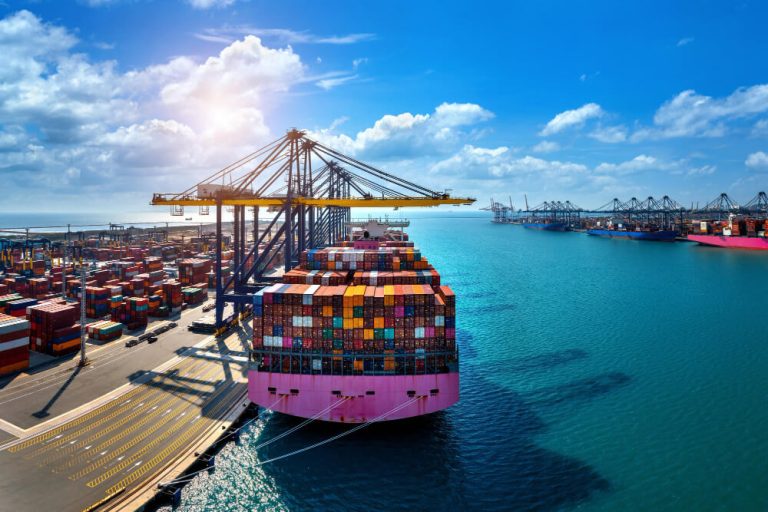
Florida and New York are two of the most important states in the U.S. It’s a vital part of local and global trade. Florida has major ports such as Port Miami, Port Everglades, and JAXPORT, which is a growing gateway for shipments entering from Latin America and the Caribbean. Also, New York’s major trade uses the Port of New York and New Jersey, one of the big size container ports in the U.S., and major airports such as JFK International and LaGuardia.
Trade between the two states heavily supports industries such as Information Technology (IT), Aviation, Medical, and Automotive. Florida houses various aerospace manufacturing hubs and tech startups, while New York stands strong in medical equipment supply and automotive parts. The movement of goods in these sectors frequently depends on freight forwarding services, using incoterms such as DAP and Delivery Duty Paid to define seller-buyer requirements. Also, exact categorizations through HS codes and HTS harmonized tariffs confirm smooth customs agreement for global shipments.

Freight forwarding helps organizations manage the transportation from Florida or New York depending on the size of the cargo, delivery requirements and time of the shipment. Rely on the shipment, businesses may use parcel delivery, LTL, or FTL shipping.
Less-than-truckload LTL shipping is suitable for large fright cargo that does not require a full truck. Full Truckload (FTL) can be more correct for larger shipments that require dedicated truck capacity or specific delivery arrangements.


Businesses that are moving servers, networking gear, medical devices, auto components or aviation equipment may need to arrange for suitable packaging, handling and transport, based on the size, value and handling needs of the equipment.
Digital tracking allows organizations to monitor shipment progress between the pickup location in Florida or the delivery point in New York, helping them follow transit status & estimated delivery updates.

To simplify your shipping experience:
Use Correct HS Codes: Confirm that your good categorization is correct with the HS Code, which helps in avoiding clearance delays.
Choose the Right Incoterms: For complete service, select DDP shipping; for budget, DAP or FCA (Free Carrier) works well.
Partner with Expert Forwarders: Dependable freight forwarding companies know how to reduce costs and avoid approval problems.
Explore Consolidation: If shipping heavy goods, use Less Than Truckload or Full Truckload services for cheap international shipping alternatives.
Use Digital Tracking Tools: Most modern freight forwarding services provide dashboards for shipment presence.
Use Seasonal Discounts: Look out for promotions or the cheapest way to mail a package, mainly for IT shipments.

For small goods under 5 lbs, USPS remains one of the most affordable options, mainly ranging from USD 8 to 15 with a delivery time of 3 to 5 business days. UPS ground shipping for medium packages around 10 lbs can cost between USD 20 and 30 and usually takes 2 to 4 business days.
For bigger shipments, freight forwarding services such as Less Than Truckload are commonly used, with palletized cargo costing nearly USD 150 to 350 and arriving within 2 to 5 business days.
When speed is a primary issue, air freight is preferred, with express services for cargo between 50 to 100 kg costing around USD 2.50 to 5 per kilogram and delivering within 1 to 2 business days.
In cases of global export from Florida to a New York-based port, freight forwarders frequently use DAP or DDP structures to manage duties and taxes effectively.
For small packages under 5 lbs destined for export, the cheapest method remains USPS or platforms that aggregate and compare shipping rates for cost optimization.
USPS is often the cheapest, with rates ranging from $8-$15 for under 5 lbs, taking 3-5 business days.
For all-inclusive services, DDP is ideal; for partial responsibility, DAP or FCA works well.
Typically, no, but for regulated items like medical or aviation goods linked to international zones, one may be required.
LTL (Less Than Truckload) freight costs range from $150–$350 per pallet, delivered within 2–5 business days.
Yes, most freight forwarders provide digital tracking tools or dashboards for live shipment updates.