1000+ companies now know their exact duty, VAT, and IOR costs before they ship, not when customs holds their cargo hostage. Join them.
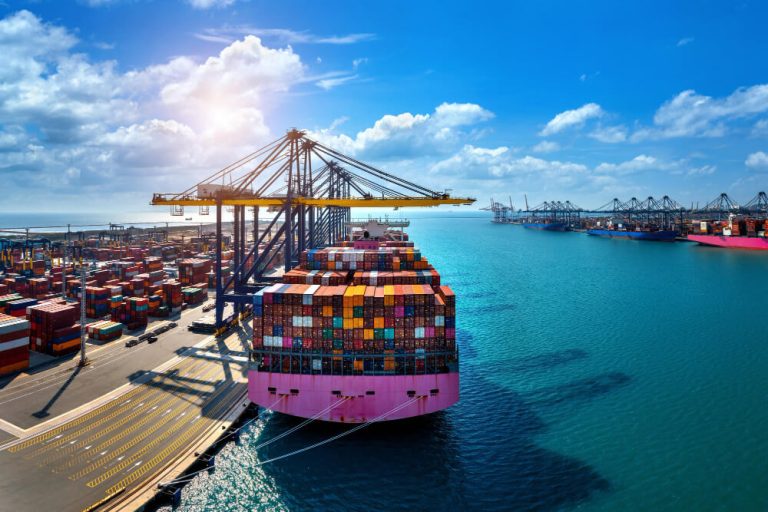
Transporting goods between China and Germany is a well-established trade sphere. Yet, planning and meticulousness are needed to guarantee that the transport equipment reaches its final destination on time and in good condition. Shipping electric goods/machineries, medical devices, and air transport equipment all involve knowing how to get the items through logistics, legality, and, more importantly, customs procedures. Documentation, transportation methods, and proper management of all the stages will allow one to succeed in shipping.

An importer of record makes sure that any shipments into Germany adhere to the local import regulations. They take up the customs declarations, customs duties, and taxes and guarantee that all equipment is cleared legally. It is particularly helpful when working with regulated equipment, including electronic equipment, healthcare equipment, or aviation equipment, and ensuring that it meets regulations in Germany, which are very strict.
The Exporter of Record deals with the necessary export documents and ensures that the shipments exiting China are delivered according to the export regulations of both China and Germany. Moving electronics, medical equipment, sensitive aviation equipment, or all the above, the EOR checks off all the required duties, licenses, certifications, and customs entries.


The seller pays everything under the Delivery Duty Paid service, including shipping charges, duties, and taxes. This implies that the recipient does not have to incur extra charges upon arrival in Germany. The service suits high-value equipment or dispatches sensitive goods that require full visibility of deliveries, and the receiver is not hit with extraneous costs.
Data Center Solutions ensures that IT equipment, such as servers and storage devices, is converted for safe traveling. Implemented with climate-controlled packaging and live tracking, these services would ensure safe and on-time delivery of a sensitive IT infrastructure to Germany, subject to data security standards’ requirements.

When shipping, ensure your equipment complies with Germany and the EU's safety, environmental, and labelling requirements. This is especially true on regulated equipment such as healthcare and aviation equipment. Knowing that non-compliance can cause delays in shipping or customs rejection.
It is paramount that equipment be properly valued to evade inconsistencies at customs. Undervaluation or over-valuation of your goods may lead to hold-ups, extra attention, or penalties. Be sure that the figure stated on the declaration complies with both the export rules of China and the import mandates of Germany, as well as showing the true value of the shipment.
In some cases (regarding medical equipment or objects in a plane), certification or permits have to be gained and exist to be imported into Germany. Things to look into are that all the required certifications are initiated to ensure there are no delays at customs.
Since Germany has waste & sustainability laws, ensure that your packaging adheres to German laws on recycling, e.g., the VerpackG (Packaging Act). Eco-friendly material used in the packaging will fulfill environmental compliance needs and prevent fines.
Explain the shipping terms to your logistics partner via internationally accepted Incoterms such as FOB, CIF, or DDP. The terms outline the rights and duties of the parties and make the costs, risks, and responsibilities associated with the shipping process quite clear.
Be aware of your equipment's duty rates and VAT according to the product type. These extra expenses should be planned so that the arrival is not a surprise. If you are unsure, talk to a customs broker to compute the duties and other taxes and help you go through customs easily.
Select the third-party logistics company with experience with regulated equipment like electronics, machinery, healthcare, or aviation equipment. The correct provider will ensure your shipment is in line with the law and will cope with the challenges of the customs-related procedures.
Shipping times can vary depending on the shipping procedure used. Air transportation is faster and more expensive than ocean freight, which is cheaper albeit slower. Determine the urgency of your equipment and your budget before choosing the shipping method.
In the case of high-value or sensitive equipment, you may want to buy insurance to cover your shipment on its way. This protects your equipment against damage, losses, and theft, especially when transporting machines or other medical equipment.
The entry ports of major German harbors such as Hamburg or Bremen are subject to congestion, particularly at busy shipping times. Order shipments early and think about expedited services in case of need to reduce the delays.
Storage charges may be incurred in the event of delays at customs or port congestion, etc. One must know how long it could take for your equipment to be held before clearance and include it in your cost analysis. This will help avoid surprise costs and ensure the on-time delivery of your shipment.
The commercial invoice, packing list, certificate of origin, import/export licenses, and the particular HS/HTS code will be required of you.
DDP implies that the beneficiary in Germany does not need to pay a cent more to receive the shipping, as the recipients of the shipping fees, duties, and taxes have been prepaid.
An IOR will ensure your shipment meets German import regulations and goes through customs clearance, duties, and taxes.
Data Center Solutions provides temperature-controlled packaging and real-time information to safely get vulnerable IT equipment across.
Make sure that your logistic operator has a system that would provide real-time tracking so that you can know the location of your shipment during its transit.