
1000+ companies now know their exact duty, VAT, and IOR costs before they ship, not when customs holds their cargo hostage. Join them.
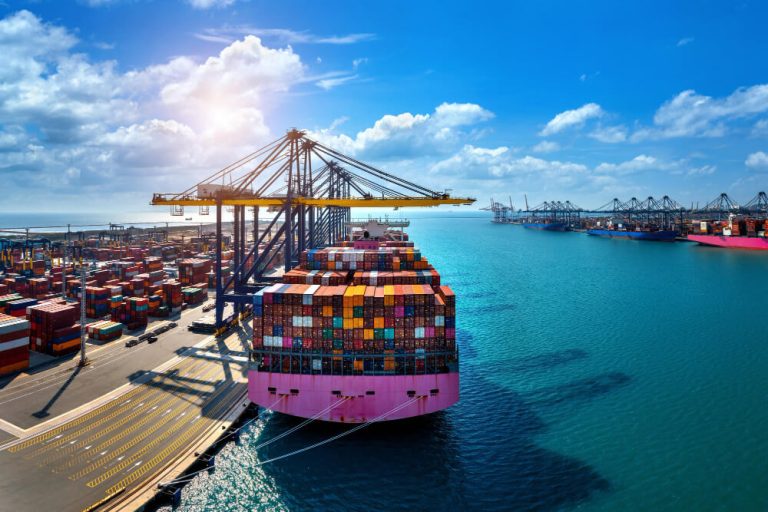
China and Canada share a strong trade partnership, supported by a modern logistics chain, major ports, and advanced air cargo shipping. China has critical export ports such as Shanghai, Shenzhen, Ningbo, and Qingdao that manage goods shipping to Canada. Key airports such as Beijing Capital Airport and Shanghai Pudong Airport are important in freight forwarding. Canada has necessary import hubs, such as the Port of Vancouver, Montreal, and Toronto Pearson International Airport, which are located. These hubs help provide dependable freight forwarding services for industries such as IT, aviation, medical, and automotive, which depend on effective trade routes and the correct use of the HS Code and HTS Harmonized Tariff schedules for getting through customs. The generalized system of preferences helps reduce tax on some goods, providing cost advantages for qualified shipments.

An IOR takes full responsibility for customs documentation, taxes, and duties, making it easier for organizations to focus on their core work. Businesses depend on necessary shipping services, such as an Importer of Record (IOR), to confirm approval with local import and export laws.
Using DDP shipping means that the seller manages all shipping costs, import duties, and taxes, confirming buyers receive easy deliveries, making it one of the cheapest ways to ship a package globally.


Many organizations also combined data centers to automate tracking, manage inventory, and improve supply chains under modern terms such as DAP (Delivered At Place) and DAPS, confirming secure and correct shipments.
Modern data centers use advanced logistics sources to track shipments, improve routes, and reduce costs. Many organizations also depend on DAP or DAPS shipping, where the buyer manages tax but the seller covers shipping.

Shipping costs change based on shipment size, methods, and selected services.
For sea shipping, a standard 20-foot container from Shanghai to Vancouver mainly fees around USD 2,000–3,500, depending on fuel fees and seasonality.
Air shipping fees are higher, averaging USD 4–7 per kg for standard cargo. Canada mainly charges 0-25 percent duty depending on the type of goods.
Additional fees such as customs duties, HTS Harmonized Tariff schedule fees, HS code categorization costs, insurance, and location handling.
Using DAP or DDP shipping options helps businesses lock in clear costs upfront. Estimation based on the value of goods and the correct tariff categorizations (HS code)
For small goods, cheap UPS shipping, overseas shipping, or global delivery services provide affordable alternatives.
Smart organizations use freight forwarders and compare rates for the cheapest way to mail a package internationally while maintaining approval with Incoterms.

China’s export of IT equipment, such as servers and data storage units, continues to rise, with billions of dollars of electronics shipped annually.
Using simplified freight forwarding solutions, the automotive industry imports car parts, electric vehicle tools, and components.
The medical sector depends on the cheapest way to ship a package securely, moving diagnostic equipment, biotech, and devices under strong regulatory oversight.
In aviation, parts and maintenance equipment are shipped with a delivery schedule, frequently using DDP shipping for confirmed on-time arrivals.
Accurately categorizing goods using the harmonized system code and understanding HTS tariff laws are necessary for easy customs clearance and to take advantage of any available trade.
The cheapest option is usually sea freight for bulk shipments or consolidated air cargo for small packages. Compare freight forwarder rates and choose DDP for upfront cost clarity.
Key Chinese ports include Shanghai, Shenzhen, Ningbo, and Qingdao. In Canada, common entry points are the Port of Vancouver, the Port of Montreal, and Toronto Pearson International Airport.
An IOR handles all customs documentation, taxes, and duties, ensuring your shipments meet Canada’s import laws and freeing your team from compliance headaches.
On average, a 20-foot sea container costs around USD 2,000–3,500, while air freight can cost USD 4–7 per kg. Duties, insurance, and HS code fees add to the total.
IT, automotive, medical, and aviation industries rely heavily on reliable freight forwarding, IOR/EOR services, and DDP shipping for secure, on-time deliveries.