
1000+ companies now know their exact duty, VAT, and IOR costs before they ship, not when customs holds their cargo hostage. Join them.
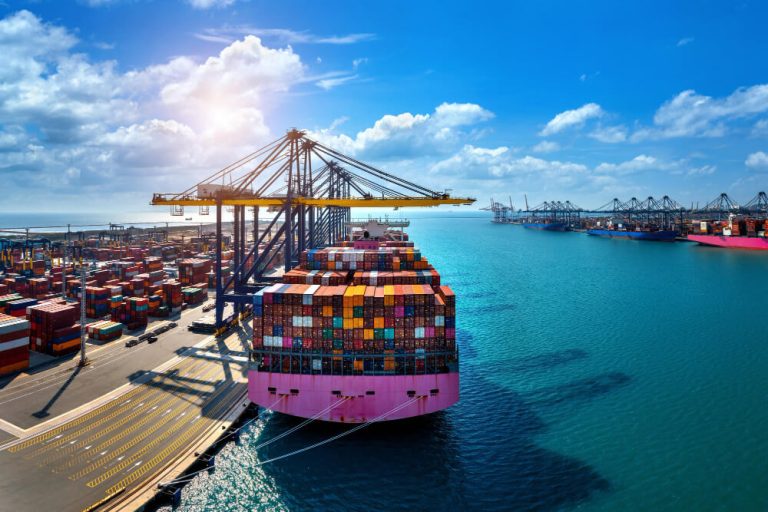
The Canada-U.S. trade corridor is the lifeline to high-value industries like IT/data centers, medical equipment, automobiles, and the aviation industry. The developed industries carried a greater part of exported goods in Canada. Logistics, compliance, & cost issues are vital to manufacturers, suppliers, and distributors. As this will facilitate timely and convenient shipping to the U.S. Canadian manufacturers & exporters in these industries find the United States to be the largest and most profitable market, and there are great opportunities for doing business.

All customs duties of the transferred goods sent to the U.S., originating in Canada, are provided to the Importer of Record. This encompasses document management, compliance with legal requirements, payment of duties and tax, and providing smooth clearance within the customs of cross-border consignments. Incorporating an IOR allows enterprises to import goods without incorporating any physical and legal presence in the U.S., which is affordable and less complicated.
An Exporter of Record looks after the correct exportation of commodities in Canada to the United States. This service takes care of getting the relevant export documentation ready, submitting these documents, ensuring they meet export laws in Canada, and coordinating them with U.S. laws regarding entry. Using an EOR enables companies to reduce delays during the shipping process and prevent substantial fines when engaging in cross-border business.


Under Delivered Duty Paid (DDP), sellers ensure that all the duties, taxes and the delivery costs have been paid beforehand. It implies that U.S.-based recipients will get their orders without hidden customs tariffs or other forms of paperwork. DDP benefits from high-value shipments, including medical equipment, technology hardware like network switches or servers, and auto parts such as brake systems or transmission units, providing more simplified and anticipated delivery experiences.
The Data Center Solutions are customized to support the safe transportation of information technology resources, such as servers, firewalls, and network storage devices, across Canada and U.S. These services will be committed to the aspects of ensuring compliance with the established data privacy regulations, safe handling and having comfortable steps to reduce downtime within the operations. The above solutions are essential to most businesses and rely on the free flow and deployment of critical IT/data centre equipment across borders.

To implement cost effective and compliant shipping from Canada to the U.S., it would be prudent to ship in bundles whenever possible, allowing for the consolidation of several orders to save on shipping costs
It is also advisable that high-volume shippers negotiate rates with carriers to enjoy favourable prices. Another critical strategy is that the choice of DDP may be used to improve customer satisfaction due to the avoidance of building an exact cost of all duties and delivery.
Choosing the right Incoterm is important. Under DDP, the seller takes responsibility for import clearance, duties, taxes, and delivery under the agreed terms. Under DAP, the buyer generally handles import clearance, duties, and taxes. The choice should match the responsibilities agreed between the buyer and seller.
In your commercial invoice, you should be able to indicate the value, the origin of the goods, and the intended use of the goods. A bill of lading or air waybill and the packing list should not be overlooked when shipping freight.
In your commercial invoice, you should be able to indicate the value, the origin of the goods, and the intended use of the goods. A bill of lading or air waybill and the packing list should not be overlooked when shipping freight.
There may also be a special certificate or required FDA or FAA approval of shipments, such as medical or aviation equipment. To reap any benefits of trade agreements, provide evidence of the origin of products eligible to benefit under USMCA.
Lastly, you can always outsource to professionals who can offer niche-specific help and advise you, such as One Union Solutions, who know the various challenges of transporting technology-related, healthcare, aviation, and automotive equipment.

The goods are moved into good and weather-proof storage rooms to curb the environmental risks of sensitive or valuable cargo. Commercial invoices, packing lists, and all the required certificates or permits are carefully prepared at this step.
Standard deliveries are usually performed through ground shipping, urgent or high-value shipments through air freight and when the order involved is large or in bulk but not as time-sensitive as others, through sea freight.
The role of the customs brokers is to facilitate or help in clearing up the shipments at the port or the border by vetting the submitted documentation, appropriately categorising the goods with the appropriate HS or HTS numbers, and ensuring that the goods meet all requirements.
Shipments arrive after undergoing customs procedures and tracking via elaborate systems as they get final delivery. The visibility will enable shippers & recipients to track updates, estimate delivery dates and locations, and handle them to prevent any complications and ensure goods are delivered securely, at the right time, and in the best shape.
Once the delivery has been done, we will immediately assist with any problems, such as damaged products or wrong products delivered. The effective returns process enables non-problematic returns management so that customers are satisfied and not deterred easily.
Yes. Servers, GPUs, storage systems, and network equipment can be shipped from Canada to the U.S. The shipment may need correct HTS classification, customs documents, and any required regulatory checks.
Yes. DDP can be used when the seller agrees to handle import clearance, duties, taxes, and delivery under the agreed terms.
The Importer of Record has the agreed import responsibility. A customs broker may handle customs entry filing on the importer’s behalf.
A return shipment may require separate export and re-import procedures. The reason for the return, product value, and original import details should be reviewed before sending it back.
Yes. One Union Solutions can support shipments of servers, GPUs, storage, network equipment, racks, and other data center equipment, subject to shipment review and acceptance.