
1000+ companies now know their exact duty, VAT, and IOR costs before they ship, not when customs holds their cargo hostage. Join them.
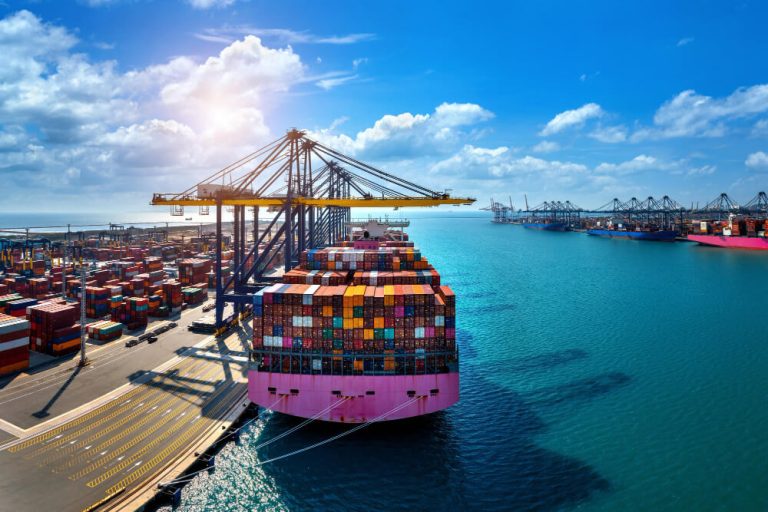
South Korea and Argentina have a growing trade mainly in IT, aviation, medical, and automotive industries. South Korea’s growing logistics hubs, such as Busan Port, Incheon, and Gwangyang Port, as well as Incheon Airport and Gimpo Airport for air freight forwarding. Argentina’s main entry points, such as Buenos Aires Port, Rosario, and Bahía Blanca, with Ezeiza International Airport, which manages most cargo air traffic. According to trade data, South Korea’s exports of automotive and IT hardware remain strong, while Argentina’s imports of aviation parts and medical equipment are slowly increasing. This flow of goods has made freight forwarding an important service, confirming that goods move effectively across regions with the lowest shipping rates possible.

An Importer of Record (IOR) confirms smooth customs clearance in Argentina, managing taxes, duties, and approval, making it easier for organizations without local presence. IOR providers possess the knowledge to confirm agreement, possibly stopping delays, fines, and even goods being stopped or returned.
An Exporter of Record (EOR) can manage the agreed export responsibilities when shipping goods from South Korea to Argentina. This may include export documentation, customs declarations, and export compliance in South Korea. The EOR and IOR have different roles: the EOR handles the export side, while the IOR handles the import side in Argentina. Using the correct Incoterms can also help clearly define the responsibilities of the seller and buyer.


Delivery Duty Paid (DDP shipping) services further reduce risks for buyers by such as all customs duties, providing clear and easy import management. The seller manages all documentation and processes required for exporting goods from South Korea. The seller manages and pays for the import tariff and taxes in Argentina.
Data Center solutions simplify documentation, live cargo tracking, and HS Code classification, improving overall logistics performance. These services together represent the cheapest way to ship a package globally while confirming regulatory agreement.

When looking for the cheapest way to send a package from South Korea to Argentina, fees main requirements are:
Freight fees: Air shipping is quicker but has more fees than sea logistics. Sea shipping averages USD 1,200–1,500 per 20ft container, while air freight averages 5–7 USD per kg.
Customs & Duties are taken on the basis of Harmonized System Code (HS code), duties range from 5 to 20 Percent. Argentina follows HTS harmonized tariff schedules, which can vary by product type.
Forwarders & Handling Fees: regional forwarders charge for port handling, packaging, and storage.
DAP & DDP Services: Using delivery duty paid or DAP shipping confirms predictable costs. Though slightly higher upfront, they frequently save businesses from unwanted customs expenses.
Postal & Courier fees: The cheapest post office box and cheap UPS shipping options are available for small packages. The cheapest way to mail a package internationally can start as low as 20–30 USD for under 2kg, depending on the service.
Organizations frequently find that cheap international shipping through freight and a dependable freight forwarding service delivers the lowest shipping rates.

South Korea exports semiconductors, devices, and electronics. Argentina imports these under specific HS codes, with logistics optimized through cheap overseas shipping and cheap international delivery services.
South Korea supplies parts and machinery, while Argentina’s demand for MRO (Maintenance, Repair, and Overhaul) parts is growing.
DAP shipping often benefits aviation companies by ensuring parts are delivered directly with minimal customs delays. DDP shipping helps hospitals and clinics by covering all customs duties upfront, ensuring equipment arrives on time.
South Korea’s exports of medical devices and diagnostic equipment meet Argentina’s growing healthcare needs. Cheap international shipping, consolidated container loads often offer the cheapest way to ship a package for automotive goods.
South Korea’s vehicles and spare parts are shipped through sea freight to Argentina, which is a major importer in Latin America.
The cheapest option is usually sea freight, costing around USD 1,200–1,500 per 20ft container. For small packages under 2kg, postal or courier services can start at USD 20–30.
Sea freight usually takes 25–35 days, while air freight takes 4–7 days, depending on the carrier and customs clearance speed.
Yes, if you don’t have a local presence. An IOR ensures compliance with customs, manages duties and taxes, and prevents shipment delays.
Duties are based on the HS Code (Harmonized System Code) of the product. Argentina’s tariffs range between 5–20% depending on the goods.
The IT, aviation, medical, and automotive industries see the highest demand. They often rely on DAP/DDP shipping to avoid customs delays and keep costs predictable.