
1000+ companies now know their exact duty, VAT, and IOR costs before they ship, not when customs holds their cargo hostage. Join them.
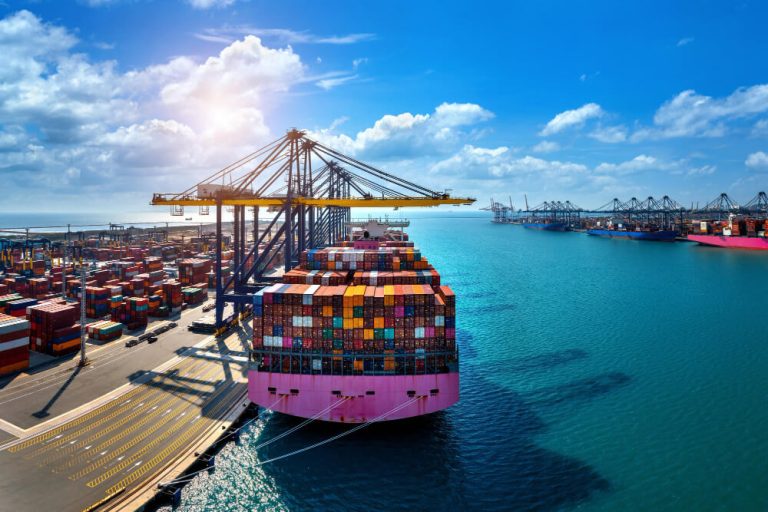
The Germany to USA shipping business has been important in the transportation of high-value and sensitive equipment along one of the busiest trade routes in the world. Unfavorable weather, including storms in the Atlantic, may delay or ruin shipments when they are not planned and secured. Customs clearance is a complex procedure with strict measures and detailed documentation. It must be properly prepared to prevent expensive hold-ups or penalties. Major ports attract large traffic; coordination is necessary to facilitate on-time loading and unloading. Precious equipment has to be handled with special care and packed well to ensure its condition during the trip. This article will discuss the affordable shipping options, effective ways to reduce expenses, and services to provide safe and reliable freight deliveries.

IOR ensures goods meet import regulations and pass customs smoothly. All compliance, duties, and permits are handled before delivery.
EOR takes care of export rules, filing, and documentation when shipping out of Germany. Shipments leave without legal or regulatory issues.


The DDP covers taxes, duties, & customs fees in advance. This service ensures reliable door-to-door delivery without hidden charges.
The data center solutions provide safe and secure transport for critical equipment. Special handling and customized support keep shipments protected and on time.

Full Container Load is the best option for large shipments. It offers safer handling and lower costs compared to air forwarding for bulky cargo.
Less-than-Container Load suits smaller shipments. It shares container space to cut costs but has longer transit times.
Air freight cost calculators help estimate per-kilogram charges. Air Shipping is faster but expensive. SO, this shipping method is ideal for urgent or delicate equipment.
Ocean shipping requires up to 25-40 days. The air freight takes 3-7 days, but the express services are quicker and expensive. Thus, the time of shipping depends on the customs and weather.
This tool compares air freight forwarding rates, ocean freight forwarding rates, and trucking rates. Proper quotes are useful in preventing surprise charges.
Major documentation required is a Bill of Lading, Commercial Invoice, Packing List, and customs clearance forms. The correct documents eliminate time wastage and additional fees.

Booking ensures space is taken at low freight rates. It also provides availability in high-demand seasons and prevents premium charges at the last moment.
It is an option to save money and time by picking the off-peak seasons. Minimal delays and enhanced space capacity keep the shipments running straight.
Customs duty management depends heavily on correct classification. Properly identifying HS Codes prevents higher duties and avoids clearance issues.
Some quotes cover only port-to-port, whereas others include door-to-door delivery service. Understanding services included prevents paying unexpected fees later.
High-value goods transport requires precise and protective packaging. The equipment that is handled with care avoids damage, insurance claims, and added expenses.
The lowest cost mode of transportation is ocean freight, especially LCL, when making small shipments. The transit is slower but less expensive.
A price calculator for air freight can determine prices per kg. Prices will be different according to the weight, season, and service.
Air transportation may require between 3 and 7 days, whereas sea shipping may require 25 and 40 days. The fastest, though the most expensive, is express cargo forwarding.
The documents contain the Bill of Lading, Commercial Invoice, Packing List, & customs declaration forms. These guarantee compliance with the regulations.
Customs regulations directly impact shipping costs as duties, taxes, & compliance requirements vary based on product type, HS classification, and documentation accuracy. Incorrect or incomplete paperwork can lead to penalties, inspection delays, & additional clearance charges, increasing the total freight cost.