
1000+ companies now know their exact duty, VAT, and IOR costs before they ship, not when customs holds their cargo hostage. Join them.
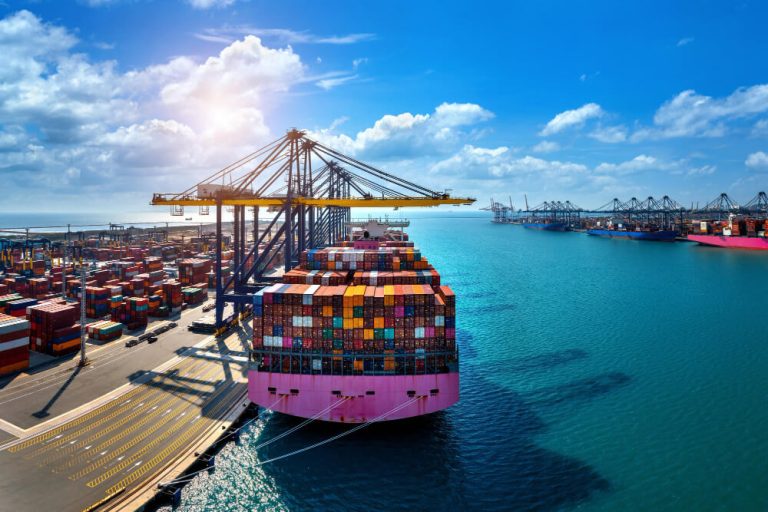
France and South Africa have strong trade in manufacturing, technology, and industries. France’s main export hubs, such as the Port of Le Havre, Marseille-Fos Port, and Dunkirk Port, are known for managing bulk containerised goods. Air shipping at Paris Charles de Gaulle Airport and Lyon–Saint Exupéry Airport plays an important role in urgent delivery. In South Africa, the Port of Durban, the Port Elizabeth, and the Cape Town Port work as developing sea gateways, while the OR Tambo International Airport in Johannesburg manages a significant share of air cargo. Trade flows between the two countries include IT hardware, aviation components, medical devices, and automotive machinery. The IT sector’s imports largely focus on servers, networking equipment, and HS code-classified electronics. Aviation trade includes aircraft parts, navigation systems, and ground equipment, following strong HTS harmonized tariff regulations. Medical imports range from diagnostic equipment to surgical instruments, while the automotive industry focuses on engines, spare parts, and vehicles, frequently moved under Incoterms agreements to simplify logistics.

Importer of Record services confirm approval with South African customs, covering all necessary documents and taxes to avoid delays. For businesses looking for the cheapest way to ship a package or manage large-scale freight, selecting the right service is necessary.
Exporter of Record (EOR) services simplify outbound agreements from France, confirming correct categorizations under the harmonized system code. Exporter of Record manages necessary export documents such as trade invoices, packing lists, export approvals, and certificates of origin. They confirm accurate and complete documentation to avoid delays and fees.


Delivery Duty Paid (DDP shipping) is another affordable choice, as it provides predictable expenses by including all taxes and duties on time. Arranging and paying for transportation from the origin in France to the agreed-upon destination in South Africa, covering various methods such as road, air, sea, or multimodal options.
For organizations managing sensitive IT or medical shipments, data centre relocation and IT asset movement services confirm secure handling while maintaining low freight forwarding fees. The generalized system of preferences may reduce tariffs for eligible goods, lowering the lowest shipping rates for select categories.
The cheapest way to ship from France to South Africa depends on the shipment size and urgency. For small parcels, economy courier or postal services are usually the most affordable, while for large or heavy shipments, sea freight offers the lowest cost per unit. Many shipping platforms allow you to compare multiple carriers and choose the most budget-friendly option based on your needs.

Looking for the cheapest way to send a package from France to South Africa requires comparing logistics, shipping times, and service types.
For small goods, options such as the cheapest post office box delivery or cheap UPS shipping may be good.
For bulk or commercial shipments, working with experienced forwarders who understand cheap international delivery processes confirms smoother customs clearance.
Consolidating shipments, choosing slower but reliable sea freight, and negotiating rates under favourable DAP or DAPS terms can help achieve cheap overseas shipping.
France has a reputation for a strong regulatory system, specifically regarding labour laws, taxes, and import procedures.
One Union Solutions specializes in customized freight forwarding services, providing competitive pricing, full compliance with HTS harmonized tariff requirements, and expert handling for industry-specific goods.
They guide clients on DDP service for predictable expenses and optimize routes for the cheapest international shipping possible.

For IT, annual imports from France to South Africa frequently exceed millions in value, mainly in servers and data storage systems shipped under DDP to confirm timely deployment.
Aviation shipments focus on precision parts and navigational equipment, where cheap international shipping still requires stringent handling standards.
Medical imports benefit from freight forwarding service providers who manage temperature-controlled environments for sensitive equipment.
The automotive industry depends on cheap overseas shipping for engines, gearboxes, and spare parts, with Incoterms agreements confirming predictable delivery schedules
Across all sectors, exact categorizations under the HS code confirm correct duty calculation, while the generalized system of preferences may reduce taxes on qualifying goods.
The cheapest method is usually sea freight, especially for large or bulk shipments. Consolidating goods, choosing slower transit times, and negotiating rates with freight forwarding companies can further reduce costs.
Sea freight typically takes 20–35 days, while air freight can take 3–7 days. Delivery times depend on the service chosen, customs clearance, and final destination.
Common documents include a commercial invoice, packing list, bill of lading or air waybill, certificate of origin, and HS code classification. IOR/EOR services can handle these to avoid delays.
DDP (Delivery Duty Paid) includes all upfront taxes, duties, and transportation costs, providing predictable expenses and avoiding surprise fees at customs.
High-value yet non-urgent goods—such as automotive parts, IT hardware, and medical equipment—benefit from affordable sea freight, while urgent shipments may use cost-effective air cargo consolidations.