
1000+ companies now know their exact duty, VAT, and IOR costs before they ship, not when customs holds their cargo hostage. Join them.
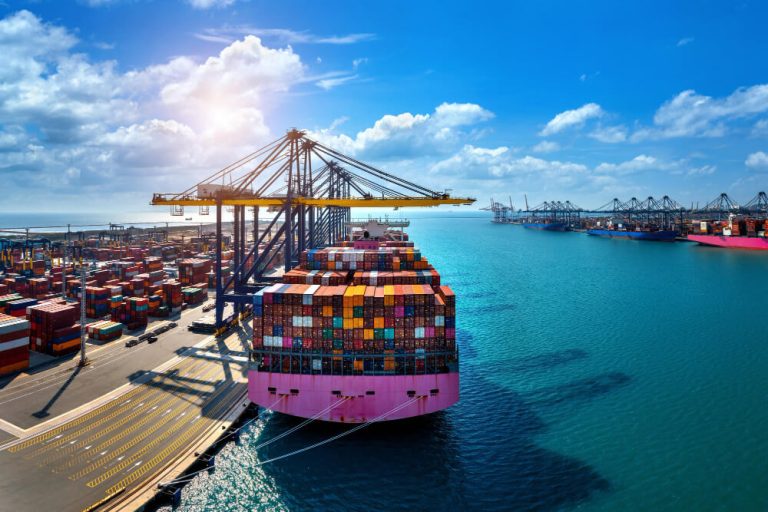
France and Brazil maintain a strong trade relationship, with slow demand across technology, aviation, medical, and automotive sectors. France’s export chain is supported by major seaports such as the Port of Le Havre, Marseille-Fos Port, and Dunkirk, which manage thousands of TEUs weekly. Paris Charles de Gaulle Airport and Lyon–Saint Exupéry Airport are major hubs for fast and secure cargo forwarding. Brazil has the Port of Santos, the largest in Latin America, is the main sea entry point, supported by Rio de Janeiro Port for extra container managing capacity. For air cargo, São Paulo–Guarulhos International Airport and Viracopos International Airport play a vital role in moving valuable goods. Trade between these nations covers multiple industries. In IT, France exports servers, networking gear, and telecom equipment, frequently requiring special freight forwarding service providers to confirm safe handling. Aircraft components, avionics systems, and ground support equipment are frequently transported under strong logistics guidelines. The medical industry depends on the movement of diagnostic machines and surgical instruments. In automotive, vehicle parts, engines, and luxury cars form a major share of exports.

An Importer of Record service confirms all goods entering Brazil follow national regulations, reducing the risk of fines and securing the lowest shipping rates by avoiding delays. An IOR manages the difficulties of the import process, confirming smooth customs clearance and agreement, mainly for organizations without a local presence in Brazil.
The Exporter of Record (EOR) service benefits French shippers by handling export licensing, paperwork, and agreement with DAP (delivered at place) or DAPS terms. EOR services can be specifically helpful for organizations looking to export to Brazil without needing to have a local presence in France.


DDP shipping (Delivery Duty Paid) is a popular choice for businesses looking for cost predictability, as it includes all duties, taxes, and fees in the shipping price, making it easier for recipients in Brazil. Similar to Delivery at place, but the seller is also responsible for unloading the goods at the named place of location.
Data centres benefit greatly from these solutions because moving servers, storage racks, and networking equipment frequently requires fragile managing, precise HS code classification, and customs agreements.

Looking for the cheapest way to send a package or the cheapest way to mail a package? Consider these tips:
Differentiate rates across various carriers, such as postal services, private shipping, and freight forwarding companies.
Use combined shipping for large orders, providing cheap international shipping benefits.
Choose the right incoterms for your trade to manage cost responsibility effectively.
Use precise HS code classifications to prevent unexpected customs charges.
For small parcels, look into the cheapest post office box delivery options. To further reduce costs, forwarders use cheap overseas shipping, international delivery, or UPS shipping options where possible.
One Union Solutions specializes in affordable global trade. They confirm smooth door-to-door delivery of high-tech IT equipment, sensitive medical devices, or bulk automotive parts.

IT Sector: French high-value servers and networking equipment exports use air freight combined with cost-optimized DAP or DDP terms. Proper HS code classification saves against misclassification penalties.
Aviation: Aircraft engines, avionics, and maintenance tools are transported using cheap overseas shipping alongside special freight forwarding service providers to maintain safety guidelines.
Medical: MRI machines, lab equipment, and biotech devices frequently use delivery duty paid services for predictable costs and smoother customs clearance.
Automotive: Spare parts, luxury vehicles, and manufacturing tools use sea freight for cheap international shipping, with forwarders confirming approval with the HTS harmonized tariff schedule laws.
Across all industries, agreement with harmonized system code (HS code), HTS harmonized tariff schedule classifications, and relevant Incoterms confirms smooth customs clearance and avoids delays.
The cheapest method often depends on the shipment size and urgency. For bulk goods, sea freight via major ports like Le Havre or Marseille-Fos is cost-effective, while small high-value shipments may benefit from air freight combined with optimized Incoterms like DDP.
Sea freight typically takes 20–30 days, while air freight can deliver in 3–7 days, depending on customs clearance speed and the chosen freight forwarding service.
An IOR ensures compliance with Brazilian import laws, preventing delays, fines, and unexpected costs. This is especially crucial for companies without a local office in Brazil.
IT, medical, and automotive industries often prefer DDP as it includes all taxes and duties upfront, offering predictable costs and smooth delivery to the final location.
Common documents include a commercial invoice, packing list, bill of lading or air waybill, export licenses (if applicable), and precise HS code classification for all goods.