
1000+ companies now know their exact duty, VAT, and IOR costs before they ship, not when customs holds their cargo hostage. Join them.
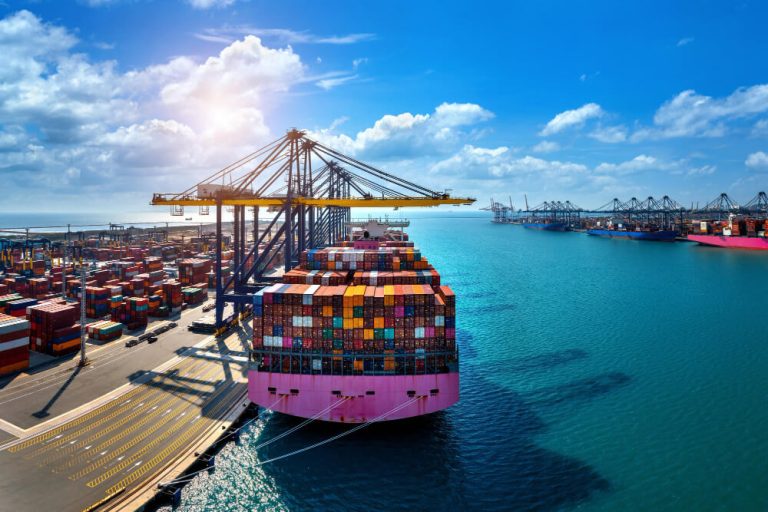
Brazil and France maintain strong long-term trade, growing by a mix of automotive products, industrial goods, and high-tech goods. Brazil’s major seaports, the Port of Santos, Rio de Janeiro, and Paranaguá, manage a huge portion of export shipments to Europe. Air freight moves mainly through São Paulo–Guarulhos Airport and Rio de Janeiro–Galeão Airport, providing competitive options for express and cargo forwarding.
In France, the Port of Le Havre, Marseille-Fos, and Dunkirk work as major sea entrances, also Paris Charles de Gaulle Airport and Lyon–Saint-Exupéry Airport are major air cargo hubs. The logistics connection between both nations is further strengthened through freight forwarding services that confirm agreement with Incoterms and HS Code classification for smooth customs clearance.
Industry-wise, Brazil exports aircraft parts, medical equipment, and IT hardware to France, while importing automotive components, aviation technology, and medical equipment. The IT sector benefits from strong data storage and transmission services, the aviation industry sees slow parts and equipment trade, the medical sector manages valuable shipments, and the automotive industry depends on bulk spare part deliveries.

Confirms all goods follow French laws, manages Harmonized System Code and HTS harmonized tariff classification, and handles tax obligations. This speeds up clearance, avoids penalties, and benefits organizations without local businesses.
Manages Brazil’s export agreement, generates export declarations, and confirms proper documentation for smooth DAP deliveries. EORs confirm adherence to Brazil’s export laws, such as obtaining necessary licenses, classifying goods, and managing documentation.


The seller covers all duties, taxes, and fees, confirming easy arrival. This is one of the cheapest ways to mail a package without delays at customs. DDP, while convenient for the buyer, can be more expensive than other Incoterms such as Delivered At Place (DAP) because the seller factors in all costs, such as duties and taxes, into the fees
Secure IT infrastructure for managing supply chain data, shipment tracking, and improving the lowest shipping rates through predictive analytics. These solutions not only improve working efficiency but also reduce risks in cheap international delivery and cheap overseas shipping scenarios.

The cost for the cheapest shipping from Brazil to France changes depending on method, weight, and service type:
Sea Freight fees starting from $1,200–$1,800 per 20ft container, perfect for bulk shipments and cheap overseas shipping.
Air Freight cost takes around $4.50–$6.50 per kg, best for urgent shipments but less affordable for large sizes.
Courier/Express costs start from $35–$70 for small goods up to 2kg via cheap UPS shipping or similar services.
Post Office Options – Using the cheapest post office box services may lower costs for lightweight shipments, though delivery speed is slower.
One Union Solutions specializes in combining freight forwarding expertise with cost improvement. When looking for the cheapest way to ship a package, consider managing cheap international shipping.
They compare multiple forwarders, choose the cheapest way to send a package, confirm DDP shipping agreement, and apply trade benefits such as the Generalized System of Preferences when applicable to further lower tariffs.

Servers, networking equipment, and storage devices are shipped via secure air freight with real-time tracking. In 2024, IT exports from Brazil to France exceeded $180 million, boosted by cross-border freight forwarding services.
Aircraft parts and avionics systems require temperature-controlled logistics, with over $220 million in aviation components traded annually.
High-value medical devices and pharmaceuticals use cheap international delivery options with special packaging for compliance. Annual medical exports from Brazil to France are over USD 150 million.
Engines, gearboxes, and spare parts move through cheap overseas shipping in combined containers, with bilateral automotive trade reaching $600 million.
Organizations gain an advantage in managing cheap international shipping for IT, aviation, medical, and automotive sectors while staying compliant with customs and Incoterms laws.
Sea freight is generally the most cost-effective option for bulk shipments, with 20ft container rates starting at $1,200–$1,800. For smaller parcels, post office services or economy courier shipping can be more affordable.
Sea freight is often a cost-effective choice for large or heavy shipments. Compare FCL and LCL options, including port charges, customs costs, and final delivery.
Air freight may be worth considering for urgent spare parts or goods needed quickly. Compare the additional transport cost with the impact of waiting for a sea shipment.
You will usually need the cargo description, dimensions, gross weight, number of packages, pickup location in Brazil, delivery address in France, and preferred delivery time.
No. DDP includes the seller’s responsibility for import clearance and applicable duties and taxes under the agreed terms. Under DAP, the buyer generally handles import clearance and import charges. Compare the total cost of both options.