
1000+ companies now know their exact duty, VAT, and IOR costs before they ship, not when customs holds their cargo hostage. Join them.
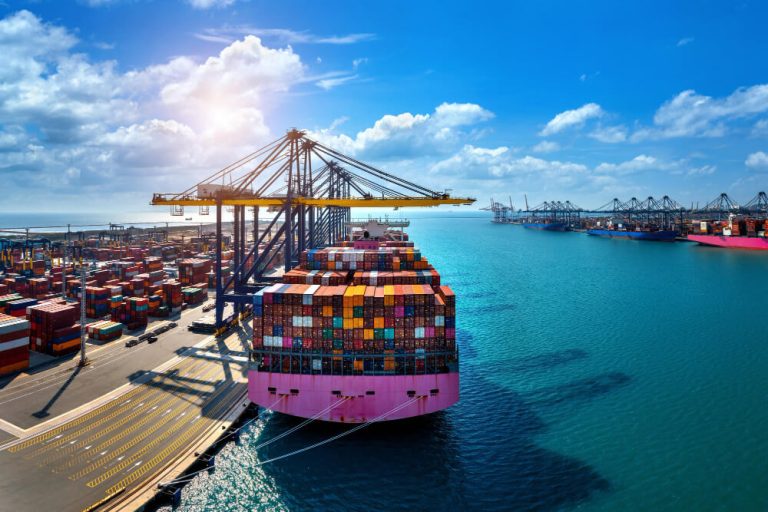
Argentina and Russia maintain active trade relations, supported by strong logistics and freight forwarding services. Argentina’s main export hubs, such as the Port of Buenos Aires, Rosario, and Bahía Blanca, while Ezeiza Airport in Buenos Aires manages a huge amount of air cargo. Russia has the Port of St. Petersburg, Novorossiysk, and Vladivostok are main seaports, along with Sheremetyevo and Domodedovo Airports for air shipping. Trade between the two countries covers many industries IT goods such as hardware and semiconductors, aviation parts, medical devices, and automotive components. Argentina exports machinery and auto parts, while Russia imports medical equipment, IT hardware, and aviation technologies, creating demand for freight forwarding services with expertise in managing different HS codes and HTS harmonized tariff schedule classifications.

An Importer of Record confirms approval with Russian customs laws, manages duties, and helps organizations benefit from agreements such as the Generalized System of Preferences (GSP), reducing tariff fees. The IOR provider works as the legal importer in Russia, managing the difficult regulatory, customs, and agreement requirements, which are necessary given Russia’s customs complexities.
The Exporter of Record manages export documentation from Argentina, confirming goods meet Incoterms requirements and are categorized under the correct HS Code. To export goods from Argentina to Russia, you will require a service provider Exporter of Record (EOR) service to work as the legal exporter in Argentina.


Another effective method is DDP shipping, where the service provider covers customs clearance, duties, and taxes—making it one of the most clear and affordable approaches. This is frequently considered the cheapest way to send a package when avoiding unwanted fees, such as delays or fines.
Data center equipment shipments benefit from specialized freight forwarding that confirms safe logistics of high-value IT hardware under DAP or DAPS agreements. From the perspective of a logistics provider, these solutions deliver reliability, reduce approval risks, and allow clients to access the lowest shipping rates while avoiding disruptions.
Can prepaid shipping plans reduce costs for frequent shipments from Argentina to Russia?
Yes, businesses that ship regularly can benefit from prepaid or contract-based shipping plans offered by logistics providers. These plans often include discounted rates, priority access to capacity, and predictable pricing.
In addition, prepaid shipping agreements can help businesses lock in rates over a specific period, protecting them from seasonal price fluctuations and fuel surcharges. Many providers also offer tiered pricing, where costs decrease as shipment volume increases, making it ideal for companies with consistent shipping needs. These plans often come with added advantages such as dedicated account management, streamlined billing, and faster booking processes. By reducing administrative workload and ensuring reliable space availability, prepaid plans not only lower overall shipping costs but also improve supply chain efficiency and planning accuracy.

Shipping costs depend on cargo type, method of logistics, and service level:
Sea Containers: 1,800 – 3,500 USD per 20ft container from Buenos Aires to St. Petersburg, frequently the cheapest overseas shipping option for bulk cargo.
Air shipping: 5 – 9 USD per kg, perfect for urgent IT, medical, and aviation shipments requiring cheap international delivery within 5–10 days.
Courier/Parcel (Small Packages): $40 – $90 for 5kg parcels using cheap UPS shipping or the cheapest post office box alternatives.
DDP Service Costs: An Additional 10–20% on freight costs, but confirms all customs, duties, and taxes are prepaid, preventing delays.
Forwarders & Consolidation Services: By working with expert forwarders, businesses benefit from cheap international shipping through combined shipping, confirming the cheapest way to mail a package while maintaining agreement.
Using freight forwarding, IOR/EOR, DDP shipping, and combined logistics, businesses benefit from cheap international shipping while maintaining full approval with Russian customs.

Russia’s IT imports from Argentina have grown by 15% in recent years. Using cheap international delivery methods like consolidated air freight reduces costs for SMEs.
Aircraft components, avionics, and maintenance tools are frequently moved under DAP shipping terms. Specialized handling ensures safety while maintaining the lowest shipping rates via sea-air combined logistics.
Medical devices, diagnostic equipment, and surgical tools are sensitive goods, frequently requiring DDP shipping to simplify customs clearance in Russia.
Argentina’s medical exports to Russia reached over 120m USD yearly, demanding a dependable agreement with the HTS harmonized tariff rules.
Auto parts, tires, and machinery remain a major export from Argentina to Russia. Cheap overseas shipping via sea freight containers is the cheapest way to ship a package for bulk parts, while air freight is reserved for urgent, high-value components.
The cheapest way is usually sea freight, with costs between $1,800–$3,500 per 20ft container. For smaller shipments, consolidated freight forwarding and courier services offer affordable solutions.
IOR/EOR services ensure compliance with Russian and Argentine regulations, manage HS codes, handle tariffs, and reduce customs risks, saving time and avoiding costly delays.
Yes, Delivered Duty Paid (DDP) shipping prevents unexpected costs by including duties, taxes, and clearance fees upfront, making it one of the most affordable and transparent methods.
Key industries include IT (hardware & semiconductors), aviation (aircraft parts), medical (diagnostic equipment), and automotive (auto parts and machinery).