
1000+ companies now know their exact duty, VAT, and IOR costs before they ship, not when customs holds their cargo hostage. Join them.
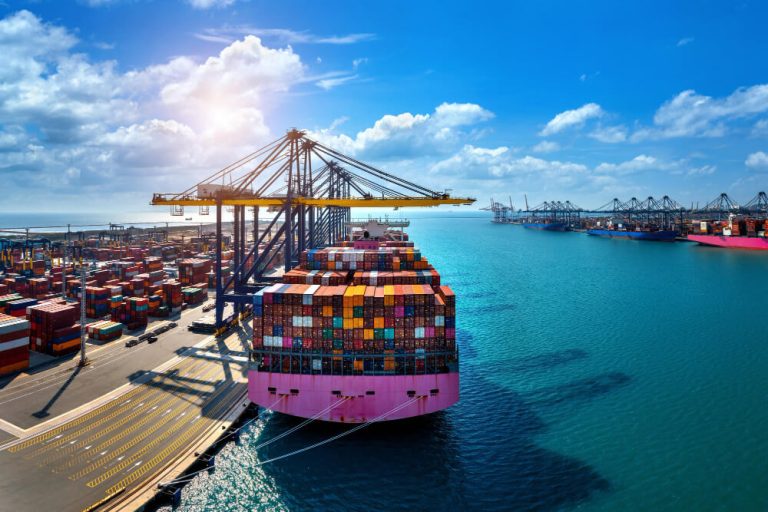
Argentina-Germany shipping is a key component of international trade as it seeks accuracy, speed, and adherence. There are weather conditions across the Atlantic, which can affect schedules, and therefore, planning is the key to preventing any delays. The customs rules require proper documentation of high international standards; therefore, compliance is an important aspect of the process. The major seaports include Buenos Aires and Hamburg. In these important ports, large traffic volumes are handled via sea and air. Transport security and control are vital, particularly with high-value equipment, where timely and safe delivery is paramount. This blog aims to identify cost-effective, reliable, and compliant shipping solutions that make logistics between Argentina and Germany easier.

The IOR service makes sure that the shipment to Germany complies with all legal & customs requirements. It handles responsibilities, taxes, and licenses in such a manner that goods move easily across borders without wasting time due to unnecessary delays.
The EOR takes care of Argentina’s export registration and permission and complies with the international regulations. Such service eliminates problems at the border and ensures punctual shipment.


The DDP makes logistics across borders easier by paying duty, clearing documents, and taxes on the importation of goods. This provides complete visibility of shipping costs and reduces the last-minute costs to the consignee.
The data center solutions offer special secure movements and setup of high-value infrastructure. The delivery of the shipments is done accurately, so the shipments are safe in transit and easily integrated upon arrival.

Air Freight forwarding is chosen for urgent equipment due to speed and reliability. An air freight cost calculator helps estimate expenses in advance.
Ocean freight is the cheapest way to ship when dealing with larger and heavier consignments. It is also more flexible in terms of cost against speed.
Buenos Aires connects to Hamburg and Bremen, making cargo forward services accessible through well-established trade routes. Strong port infrastructure ensures timely handling.
Atlantic storms and European winter port congestion can delay shipments. Careful planning with cargo forwarding services helps avoid disruptions.
Proper export declaration services and customs brokerage reduce risks of fines or hold-ups. Accurate data reduces the chances of compliance errors.
White glove delivery services are available for goods requiring fragile transportation and extra handling care.

The most affordable manner of transporting a package to Germany varies according to the package size and urgency. Ocean freight is suitable when the load is heavy, whereas cheap couriers are more appropriate when the load is small.
Cross-border logistics involves shipment custom services, where importation duties and taxes are paid in full to avoid last-minute hitches.
Asset protection delivery is required in a time-critical delivery service where equipment is important. This avoids losses.
This is a door-to-door delivery service whereby the equipment is delivered to all places where the business requires it.
Delivery duty paid logistics covers all the customs duty management costs, eliminating financial surprises and guaranteeing the lowest shipping costs worth computing at the outset.
When dealing with larger cargo, ocean freight is typically the most affordable mode of shipping, whereas air forwarding is quicker when it comes to urgent cargo.
Yes, through the DDP service, where customs duty management, import duties, and taxes are included, making delivery stress-free.
Buenos Aires in Argentina and Hamburg in Germany are major hubs for cargo forward services, handling large trade volumes.
Handled with care, shipments that include white glove delivery and asset protection delivery ensure fragile and sensitive goods are secured.
The Atlantic weather, customs clearance delays, and European port congestion may increase transit time, but planning helps reduce the risks.