1000+ companies now know their exact duty, VAT, and IOR costs before they ship, not when customs holds their cargo hostage. Join them.
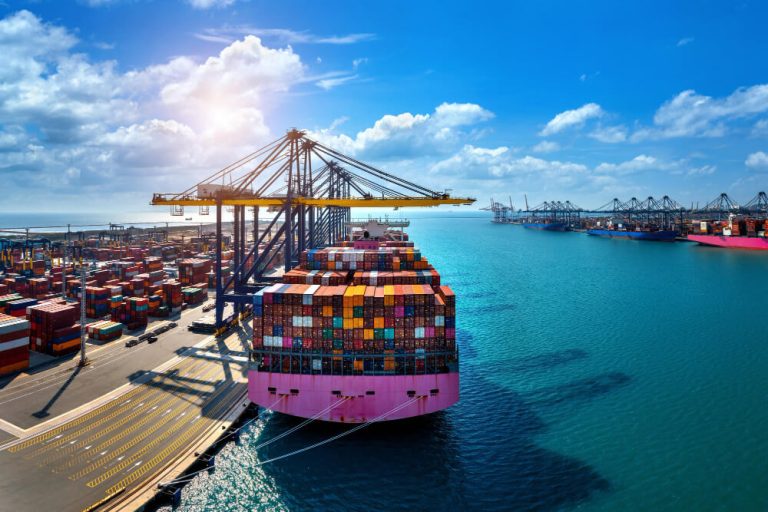
Shipping between Argentina & Canada involves various challenges that need thoughtful attention for safe and timely delivery of valuable equipment. The changes in weather during transit may affect transport and require some time or special attention, particularly to delicate or sensitive products. Both nations maintain stringent customs laws, and thus, proper documentation is important to evade clearance issues or forfeiture of fines. The ports in the respective countries are important in effective cargo management by reducing waiting time and facilitating transfers. Securing equipment that is of high value during transit requires some special logistics solutions. This article discusses these important factors and how they impact smooth shipping between Argentina and Canada.

The IOR manages all the complexities associated with importing, such as customs filing, tax remittances, & compliance inspections, which would make it easy to enter Canada.
The EOR takes care of export declarations and other compliance procedures that must be made to clear shipments out of Argentina smoothly.


It is a complete service shipping model, which will pay all the fees and taxes beforehand, making delivery and customs clearance easy.
Customized logistics services that ensure and processing of sensitive IT devices in high-quality customs clearance and security standards.

The shipping process usually requires transporting cargo between boats, aircraft, trucks, and tracks. These modes can be easily coordinated to eliminate handling damage and avoid transit delays.
Changing fuel prices and the rising labor costs affect freight rates. Effective cost management plans, such as consolidated shipments and route optimization, achieve cost control.
The varying import-export regulations, environmental regulations, and customs programs require in-depth compliance inspections. Frequent upgrades and professional suggestions reduce the number of shipment holds.
The growing popularity of digital systems as tools in tracking and documentation means that the data on the shipment and transport equipment must be locked down against cyberattacks to secure the functioning.
The shipping routes are prone to being disrupted due to natural disasters, geopolitical disturbances, and labor strikes. The timelines are safeguarded by the occurrence of other plans and flexible schedules.
Lack of skilled professionals may affect the quality and speed of shipment handling. This will provide better returns by investing in training and retaining experienced personnel to enhance overall logistics performance.
Use modern weather forecasting technologies and packing materials to prevent equipment from being sensitive to other problems under unfavorable or unpredictable weather conditions.
To minimise the risks of cargo theft and piracy, the use of advanced track and surveillance systems, particularly on high-value cargo, and secure transport routes is advised.
Cut down paperwork and automate the processes to enhance centralised documents to minimize errors and make efficient customs compliance.
Expect challenges during the final delivery phase, including vehicle delivery availability, equipment on-site management, and the installation of fragile or delicate goods.
Track shipments, envision potential shipping delays, and balance routes and stocks to maximize the predictability and low cost of shipping.
Some of the important documents to be supplied are the commercial invoice, the bill of lading, the packing list, and the correct HS code that follows the customs of Canada.
Air freight is also quick with delivery time, taking less than a week. Still, sea freight is cheaper and takes longer to deliver shipments in large quantities.
Yes! The logistics are specialized and handled strictly, with additional measures such as white glove choice, added security, and installation.
DDP clears the cost of paying the surprise duty, making the clearance and delivery of goods at the doorstep easy.
A customs broker will negotiate through complicated rules, assist in closing and filing the required paperwork, and prevent unnecessary clearance time-wasting expenses.