
1000+ companies now know their exact duty, VAT, and IOR costs before they ship, not when customs holds their cargo hostage. Join them.
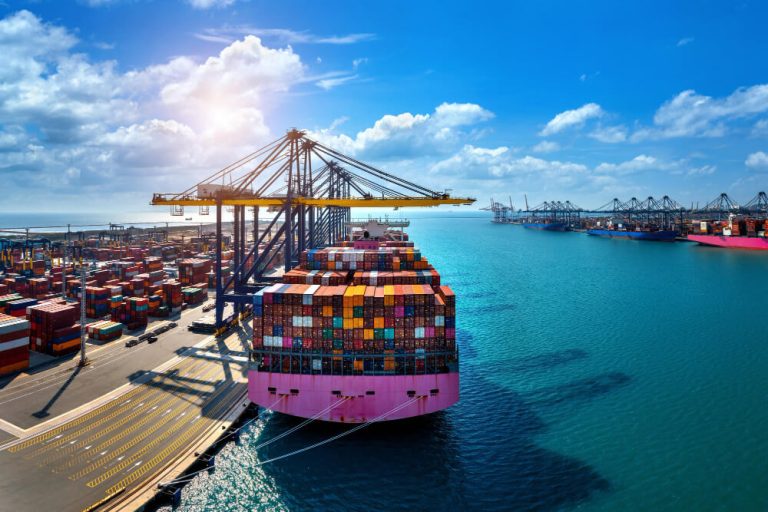
The trade relationship between the USA and Thailand is strong, covering industries such as IT, aviation, medical, and automotive. The US exports everything from microchips and data servers to aircraft components and medical devices to Thailand. The U.S. has major export hubs such as the Port of Los Angeles, New York & New Jersey, and Savannah for sea cargo, while John F. Kennedy Airport, Miami Airport, and Chicago O’Hare manage most air shipping. In Thailand, the Port of Laem Chabang and Bangkok work as the main sea entrances, with Suvarnabhumi and Don Mueang Airport working as the main air hubs. The logistics ecosystem between the two nations depends massively on freight forwarding services, with HS codes and HTS harmonized tariffs confirming regulatory agreement. Thailand’s growing IT market is valued at over $30 billion, its expanding aviation sector is growing due to aircraft maintenance demand, its medical device imports are nearly $1.5 billion yearly, and the strong automotive industry makes shipping solutions a necessary part of long-term trade.

An Importer of Record service confirms agreement with Thai customs regulations, managing licensing, permits, and duties, which reduces delays and fees. One Union Solutions works as your official Importer of Record service provider in Thailand, reducing the requirement for your company to establish a local business.
An Exporter of Record Service manages outbound approval in the USA, providing accurate documentation aligned with harmonized system codes and Incoterms. An EOR service manages the legal and regulatory difficulties of exporting goods from the USA to Thailand on your side.


Delivery Duty Paid shipping allows sellers to cover all duties and taxes upfront, giving customers clear costs and faster delivery. A DDP service from the USA to Thailand places all shipping responsibilities, such as customs clearance, duties, and taxes, on the seller.
Many forwarders also combined data center logistics, confirming secure IT equipment transport with agreement to DAP and DAPS terms for smooth change. These services help reach the lowest shipping rates, simplify customs clearance, and reduce risks. This is necessary for organizations managing global supply chains.

The cheapest way to mail a package from the USA to Thailand depends on weight, speed, and service type.
A lightweight good under 2 lbs sent through the cheapest post office box services may cost between $20–$30 with delivery in 7–14 days.
For bulk shipments, cheap UPS shipping can range from $150–$300 for 20–30 lbs, depending on the delivery duty paid systems.
Freight forwarding companies managing container shipping from U.S. ports to Thailand mainly charge $1,500–$2,500 per 20ft container, with extra fees based on tariffs and customs clearance.
Cheap international shipping options, such as combined cargo or cheap overseas shipping through forwarders, reduce costs hugely.
For businesses, the cheapest way to send a package in bulk frequently requires sea freight under DDP shipping, which confirms likely expenses without unwanted tariffs.
Businesses can choose between air forwarding for urgent deliveries or sea freight for the cheapest international shipping.

In IT, imports of servers, semiconductors, and hardware require careful handling with cheap international delivery methods and correct HS codes to benefit from preferential tariffs under the Generalized System of Preferences (GSP).
For aviation, the cheapest shipping often involves consolidated freight forwarding of spare parts and aircraft components, as Thailand’s aviation industry imports over $2 billion in related goods yearly.
In the medical sector, shipping medical devices and equipment requires agreement-driven forwarders to provide freight forwarding services with sensitive solutions.
The automotive industry, with Thailand importing U.S. engines, auto parts, and electronics worth billions, benefits most from bulk containerized cheap overseas shipping to secure the lowest shipping rates.
Common documents include a commercial invoice, packing list, bill of lading or airway bill, HS code classification, and customs declaration forms.
The cheapest option is usually sea freight under DDP (Delivery Duty Paid) shipping, which allows bulk cargo to move at predictable costs while avoiding hidden customs and tariff charges.
Air forwarding generally takes 3–7 days, while sea freight can take 25–40 days, depending on the shipping route, port congestion, and customs clearance.
Yes, freight forwarding companies provide specialized logistics services with HS Code classification and GSP tariff benefits to reduce costs for sensitive cargo like servers, aircraft parts, and medical devices.
Small packages under 2 lbs can cost $20–$30, bulk courier shipments of 20–30 lbs range between $150–$300, and a 20ft container costs around $1,500–$2,500 depending on customs duties and tariffs.
Common documents include a commercial invoice, packing list, bill of lading or airway bill, HS code classification, and customs declaration forms.