
1000+ companies now know their exact duty, VAT, and IOR costs before they ship, not when customs holds their cargo hostage. Join them.
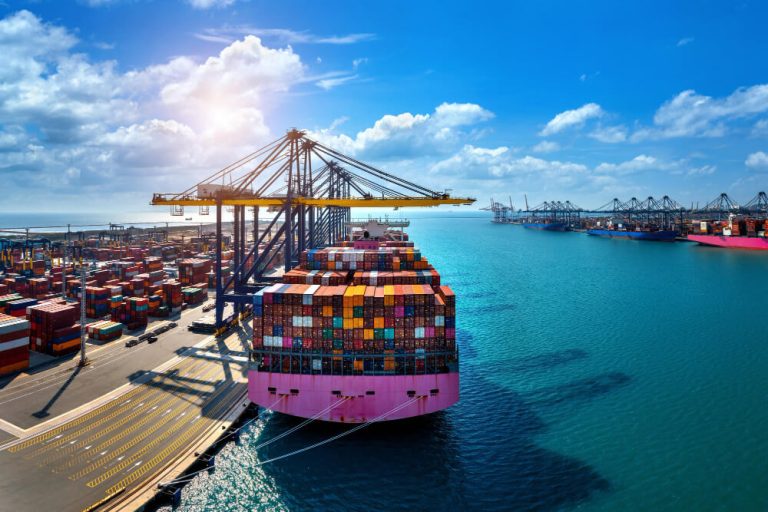
The USA and France have a strong trade relationship across various industries such as IT, aviation, medical, and automotive. France is one of the biggest importer of IT devices and aircraft parts, while U.S. organizations advantages from France’s modern automobile and biotech trades. Major export hubs in the U.S., such as the Port of Los Angeles, New York/New Jersey, and Savannah for sea shipping, also air forwarding services are centered around John F. Kennedy, Chicago O’Hare, and Los Angeles Airport. France has the Port of Le Havre, Marseille-Fos, and Dunkirk manage most shipping cargo, also Paris Charles de Gaulle and Lyon-Saint Exupéry work as the main air shipping entrances. These hubs vital part of freight forwarding services and global logistics between the two nations. Industries such as IT and aviation account for high-value exports, while medical equipment and automotive parts continue to grow strong long-term trade.

An Importer of Record (IOR) confirms approval with French customs laws by managing duties, taxes, and required paperwork, saving time and avoiding fees. When importing goods from the USA to France, the importer of record (IOR) is the official responsible for confirming that the goods follow French customs laws and paying import duties and taxes.
An Exporter of Record (EOR), on the other hand, supports U.S.-based organizations by managing the agreement at origin, confirming goods are shipped under the correct Incoterms and classified correctly under the Harmonized System Code or HTS harmonized tariff. The Exporter of Record is responsible for any export taxes, tariffs, and other related fees.


Delivery Duty Paid (DDP shipping) services are specifically beneficial for organizations looking for easy logistics, as the seller assumes responsibility for all costs, taxes, and customs clearance. Also, DAP and DAPS services allow buyers to receive goods without hurdles regarding global guidelines.
Another growing service is data center logistics, where critical IT hardware is shipped under special management to maintain security and performance standards. Each of these services helps reduce risk, simplify work, and confirm cheap international delivery.

The cheapest way to ship a package relies on weight, size, and method of shipping.
Small goods (under 2 lbs) sent through postal services cost between 25–40 USD, with the cheapest post office box delivery options.
Easy courier services such as cheap UPS shipping can range from 45–80 USD for small goods, also heavier shipments may range from 150–250 USD by air.
For heavy cargo, sea shipping provides the cheapest way to send a package or container, with LCL nearly 300–600 USD per cubic meter. Also, FCL can cost between 1,500–3,000 USD, depending on the port of departure.
Organizations frequently work with forwarders who combine shipments to achieve cheap overseas shipping and maximize efficiency.
In most cases, cheap international shipping by sea is the best option for heavy freight; also, air remains perfect for urgent deliveries.
To achieve the lowest shipping rates and effective customs clearance, businesses depend on special services such as IOR, EOR, DDP, and Data Center.

In the IT sector, the U.S. exports nearly 5 billion USD worth of software and hardware parts to France yearly, requiring special packaging and customs categorizations under correct HS codes to avoid delays.
For the aviation industry, France is a global hub with Airbus production systems, importing valuable aircraft parts and engines from the U.S. worth over $12 billion yearly.
The medical sector sees strong U.S. exports of diagnostic devices and biotech goods, valued at more than $3 billion, which frequently benefit from preferential tariffs under the Generalized System of Preferences (GSP).
In the automotive industry, U.S. manufacturers export spare parts and special equipment, contributing to a $2 billion annual trade flow.
For all these industries, freight forwarding companies provide customized cargo forwarding services that work with approval requirements, Incoterms, and special managing requirements, confirming the cheapest way to mail a package or ship heavy cargo safely.
The cheapest option for heavy cargo is sea freight, with LCL shipments starting from $300–600 per cubic meter. For smaller packages, postal services and economy couriers provide affordable delivery options.
Air freight typically takes 3–7 days, while sea freight can take 20–35 days, depending on the port of departure and customs clearance time.
An Importer of Record ensures compliance with French customs, manages duties, taxes, and documentation, helping businesses avoid delays and penalties.
Yes, Delivery Duty Paid (DDP) services are ideal for hassle-free logistics, as the seller covers all costs, taxes, and customs clearance, making it easier for buyers to receive goods.
Industries like IT, aviation, medical, and automotive benefit most, as they require specialized handling, HS code classification, and compliance with international Incoterms.