
1000+ companies now know their exact duty, VAT, and IOR costs before they ship, not when customs holds their cargo hostage. Join them.
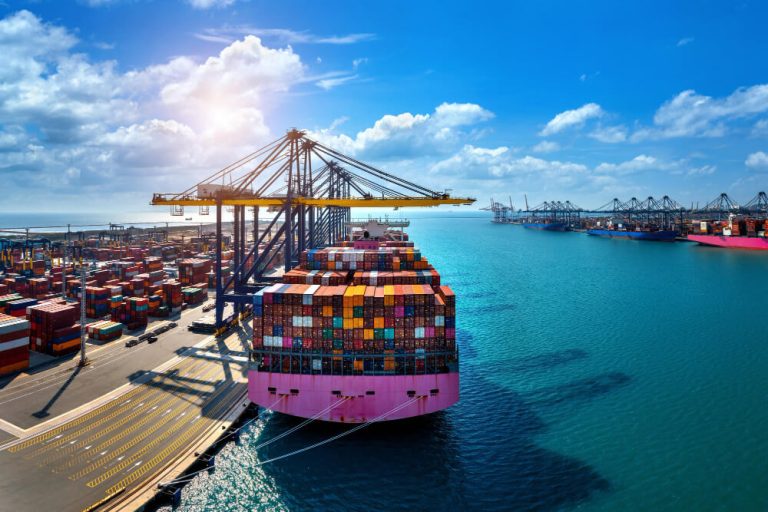
South Africa and South Korea have growing trade relations, specifically in IT, aviation, medical, and automotive industries. South Africa’s major ports, Durban, Cape Town, and Port Elizabeth, play a critical role in freight forwarding services, while O.R. Tambo Airport in Johannesburg is the major air forwarding hub for urgent cargo. South Korea has Busan, Incheon, and Gwangyang Port are the busiest entrances for imports and exports, supported by Incheon Airport for valuable shipments such as IT equipment and medical devices.
South Africa’s automotive exports, such as spare parts and vehicles, make up a huge share of long-term trade, while South Korea exports electronics, semiconductors, and aviation components. The medical sector is also expanding, with increased demand for surgical devices and biotech. With these strong hubs and industry connections, both nations depend massively on logistics, freight forwarding services, and laws such as the HS Code and HTS harmonized tariff schedule to simplify trade.

Many businesses use an Importer of Record service, which confirms agreement with customs, manages Incoterms such as DAP or DDP, and stops clearance delays. For organizations without a legal entity in South Korea or South Africa, an Importer of Record service is necessary to manage customs and regulatory approval for importing goods.
Exporter of Record service is important for South African businesses selling to South Korea, as it manages export documentation, licensing, and tariff approval. The Exporter of Record works as the legal exporter in South Africa and takes responsibility for all export requirements.


DDP shipping provides added value by allowing the seller to cover all duties and taxes, providing buyers with clear costs and avoiding unwanted fees. Delivery Duty Paid is an Incoterm where the seller takes on the maximum responsibility and cost, covering all logistics, customs clearance, taxes, and duties until the goods are shipped to the buyer.
Organizations also depend on data centers to manage supply chain automation, customs data, and shipment tracking, confirming cost optimization and smooth movement across the region. For smaller goods, businesses, and personal frequently look for the cheapest post office box services, cheap UPS shipping, and cheap international delivery options provided by dependable forwarders.

When estimating the lowest shipping rates, many parts must be considered:
Ocean freight is mainly the cheapest way to send a package in bulk, while air forwarding provides quick delivery at higher fees.
Based on the HTS harmonized tariff and product HS Code, which directly affect final shipping expenses.
Using local simplified services in Durban or Busan helps reduce demurrage charges.
For small goods, cheap overseas shipping suppliers and postal services frequently provide the cheapest way to ship a package internationally.
Complete delivery: Using DAPs or DDP shipping terms helps control costs by clarifying responsibility for duties and taxes.
On average, cheap international shipping via sea from Durban to Busan can cost 30–40% less than air freight, making it the cheapest way to mail a package for bulk goods.

South Korea imports IT hardware, servers, and semiconductors from South Africa. Using freight forwarding companies and cheap international shipping services helps businesses cut costs.
Aircraft parts and maintenance tools move between O.R. Tambo and Incheon airports. Speed is crucial, so air forwarding is used, though selecting the cheapest way to send a package with cheap UPS shipping alternatives can lower expenses.
medical devices and lab equipment are highly regulated, requiring accurate HS Code classification. Delivery Duty Paid shipping confirms easy clearance and cost for importers.
South Africa exports vehicles and spare parts to Korea while importing high-tech automotive electronics. The cheapest way to ship a package here is frequently bulk ocean freight, with forwarders confirming approval under the correct Incoterms.
For businesses that require IT equipment, aviation components, medical devices, or automotive parts, using the right mix of forwarders can achieve cheap international shipping and the lowest shipping rates.
The cheapest option is usually ocean freight from Durban to Busan, which can be 30–40% less expensive than air freight for bulk shipments.
Yes, an IOR is essential if you don’t have a legal entity in South Korea. It ensures compliance with customs regulations, HS Code classification, and prevents clearance delays.
DAP and DDP define responsibilities for duties and taxes. DDP is often more attractive to buyers since sellers cover all customs, duties, and delivery charges.
Key industries include IT (servers, semiconductors), aviation (aircraft parts), medical (devices, biotech), and automotive (vehicles, electronics). Each requires different shipping solutions depending on urgency and regulation.
Using freight forwarders, proper HS Code classification, warehousing at hubs like Durban or Busan, and relying on IOR/EOR services helps businesses lower costs and avoid penalties.