
1000+ companies now know their exact duty, VAT, and IOR costs before they ship, not when customs holds their cargo hostage. Join them.
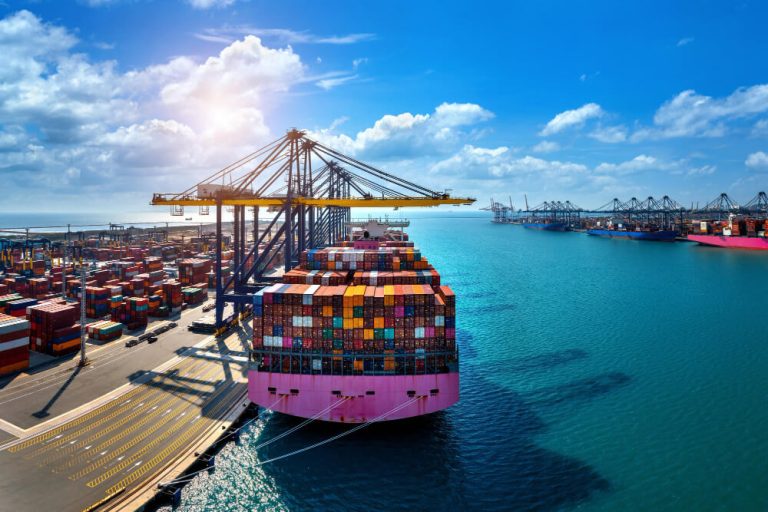
Shipping from America to Canada is among the most active trade, Shipping from America to Canada is one of the busiest trade routes in North America due to strong economic ties, geographic proximity, and trade agreements that support smoother cross-border commerce Major entrance for ports such as Los Angeles, New York/New Jersey, and Seattle, as well as Canadian hubs such as the Port of Vancouver, Montreal, and Halifax. Major air shipping hubs in the U.S., such as Chicago O’Hare and Atlanta Hartsfield-Jackson, connect frequently to Canadian airports such as Toronto Pearson, Vancouver International, and Montreal-Trudeau. Industries growing this cross-border logistics chain, such as IT, Aviation, Medical, and Automotive. Canada imports over $13 billion yearly in computer and electronic goods, much of it from the U.S. In aviation, Canada sources aircraft components and systems from Seattle and Wichita. The medical sector heavily depends on U.S.-made biotech, surgical instruments, and medical devices. The automotive trade is also massive, with cross-border shipment of parts and vehicles simplified by the consistent application of HS codes and the HTS harmonized tariff schedule.
Do shipments from America to Canada require customs clearance?
Yes, most shipments from the United States to Canada must go through the customs clearance process. Businesses typically need documents such as a commercial bill, product details, and the correct HS code classification. Depending on the shipment, duties and taxes may also apply. Correct documents helps speed up customs clearance and avoid delays.
How Shipping from America to Canada Works
Shipping from America to Canada is a simple process. First, the product is assigned the correct HS code. Then, the required shipping and export documents are correct. After that, freight forwarding is handle to ship the goods from the U.S. to Canada.
When the shipment reaches the border, it goes through the customs clearance process, where customs checks the documents and goods. Any duties and taxes are calculated if required. Once customs approval is received, the shipment is sent for final delivery to the customer in Canada. This helps make sure smooth and hassle-free cross-border shipping.

The IOR manages agreements with Canadian customs regulations, confirming proper categorizations using the harmonized system code and handling required documentation, which minimizes legal risks. If you are an American company that regularly imports commercial goods in Canada for resale, an IOR service is highly recommended. It becomes even more important when dealing with large amounts of goods.
The EOR, on the other hand, confirms all U.S. export laws are satisfied and takes responsibility for outbound logistics and documentation. Exporter of Record (EOR) services simplify and manage the difficult process of exporting goods, mainly when dealing with global shipments between the US and Canada.


Another vital service is DDP shipping (Delivered Duty Paid), where the seller is supposed to take full responsibility for delivery, including customs duties, brokerage fees, and taxes, providing a smooth experience to Canadian buyers.
For tech organizations, data center logistics from the U.S. to Canada are gaining traction, mainly in cloud computing and server relocation projects. These services include white glove delivery, safe logistics, and installation, which help minimize downtime and maintain uptime SLAs.

Looking for the cheapest way to ship a package or looking for cheap international shipping to Canada?
The lowest shipping rates frequently depend on volume, service level, and shipping. Using the cheapest post office box at a U.S. border town, combined with a local pickup in Canada, is a cost-saving strategy.
For small businesses, cheap UPS shipping and cheap overseas shipping options can also reduce costs.
To make the process easier, One Union Solutions provides complete support, including freight forwarding service, customs brokerage, and full-service DDP shipping.
Our team helps you select the cheapest way to send a package, confirms classification accuracy with the correct HS code, and helps you guide U.S.-Canada logistics smoothly.
In case you're moving commercial inventory or sensitive medical supplies, One Union Solutions makes cross-border delivery simple and easy.
Use shipping automation to simplify processes such as label creation, live order tracking, and managing return shipping.

In IT, Canada imports high volumes of data center hardware and consumer electronics, most of which enter via freight forwarding networks from U.S. hubs like San Jose and Austin.
Medical equipment, ranging from hospital equipment to lab diagnostics, requires approval with health standards and is often handled using DAP or DDP shipping to avoid clearance delays.
In Aviation, parts like avionics and landing gear are frequently exported from U.S. suppliers in Ohio and Kansas to Toronto and Montreal-based airlines and MROs (Maintenance, Repair, and Overhaul facilities).
Automotive supply chains between Detroit and Ontario's automotive belt are synchronized through a cheap international delivery chain and cross-border forwarders that use HTS harmonized tariff schedules to optimize clearance speed.
Whether you are a tech startup moving servers, a medical company shipping important equipment, or an automotive business managing supply chains, success depends on working with experienced partners.
The cheapest way to ship packages often involves using freight forwarding combined with a U.S. post office box near the border and local Canadian pickup.
An IOR ensures that your goods are correctly classified using the HS code, comply with Canadian import regulations, and have the correct documentation—minimizing customs delays and legal issues.
IT, medical, Aviation, and automotive industries heavily rely on U.S.-Canada shipping for equipment, components, and technology, often using specialized freight forwarding and customs services.
An IOR manages compliance and documentation on the Canadian import side, while an EOR handles U.S. export regulations and ensures your goods leave the U.S. lawfully and efficiently.
DDP shipping shifts responsibility to the U.S. seller for duties, taxes, and customs clearance, delivering a hassle-free experience to Canadian recipients.