
Active and reliable

CBP, BIS, FDA, USDA

English
End to End IOR

2-4 business days
We navigate the logistics, regulations, and compliance, connecting global businesses to a growing digital economy. We help you import compliantly, reduce risks, and accelerate your time to market.












Maintenance, the third pillar of IOR services, bears particular relevance in guaranteeing the life and dependability of industrial equipment. Preventing unexpected malfunctions, minimizing downtime, and maximizing the lifetime of equipment all result from routine maintenance procedures performed by trained specialists. This preventative maintenance strategy helps businesses save money on repair bills and boosts productivity and income.
IOR services strengthen Oregon’s commitment to environmental sustainability. Experts in this industry know how to ensure that manufacturing operations are environmentally safe by applying eco-friendly practices. IOR services are consistent with Oregon’s goals for a more environmentally friendly and sustainable future since they use energy-saving technology and encourage waste reduction.
Oregon’s thriving economy may be thanks to its broad business sector, which includes the auto, airline, tech, and healthcare equipment industries. When companies from other countries want to set up shop in Oregon, they rely heavily on IOR services to help them comply with the state’s many rules and regulations.
Oregon Importer of Record allows foreign firms to join the country’s market and stimulate growth. Companies may focus on what they do best while these services handle surcharge compliance, customs clearance, and market research.
Our customized solutions have helped Oregon’s financial development and business-friendly climate.
Installation phases of industrial projects benefit significantly from the knowledge and experience provided by IOR services. Experts in this sector ensure the machinery is set up correctly and in compliance with the norms of the business. This level of accuracy improves overall safety and lessens the likelihood of operational problems, establishing the basis for a solid and safe industrial infrastructure
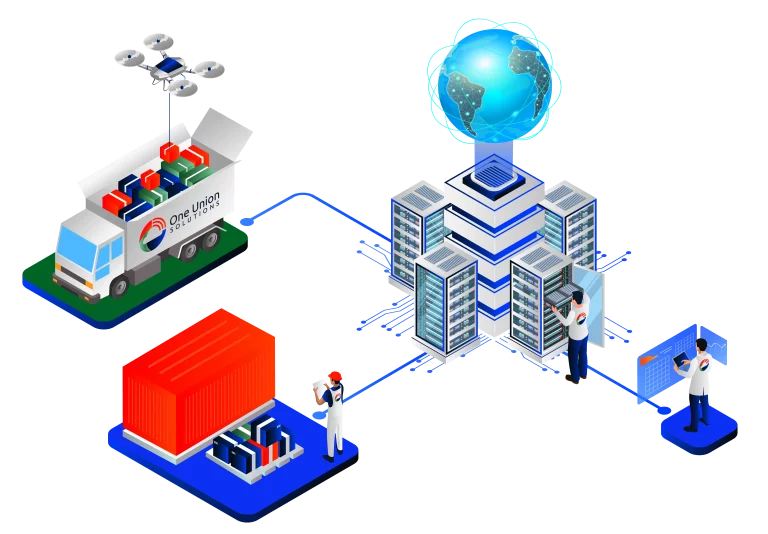
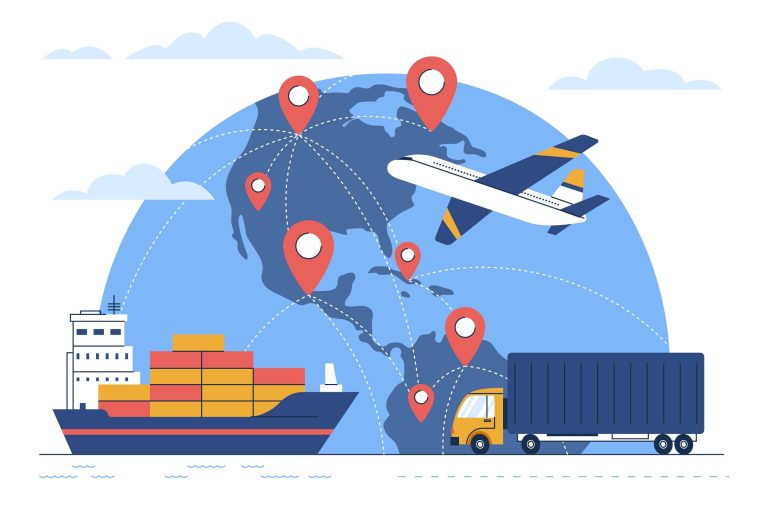
Oregon is growing industries like technology, medical equipment, automation, and aviation. Many companies import equipment and machinery for their business needs. As imports grow, businesses need easy customs clearance and reliable shipping services. IOR services help manage import documents and customs rules smoothly without delays. This helps avoid delays and makes the import process simple and efficient.IOR services help businesses avoid delays by handling all import documents properly. They make sure all rules are followed so goods can clear customs easily. This makes importing faster, simpler, and more reliable for companies.
Customs processing, & better import management. As businesses continue importing technology, medical device, automotive, or industrial equipment, reliable IOR support will become increasingly important. Digital documentation, automated customs systems, & real-time shipment tracking will help streamline import operations.
IOR providers will help companies adapt to changing regulations, manage documentation, and reduce customs delays. One Union Solutions supports businesses in handling complex import requirements and expanding their operations in Oregon with efficient and compliant solutions.
Importing equipment into Oregon requires proper documentation, customs compliance, or efficient shipment managements. One Union Solutions helps businesses simplify the import process across reliable Importer of Record services, managing regulatory requirements, customs procedures, & documentation. Our expertise supports industries such as technology, medical device, automotive, or aviation with smooth cross-border equipment imports. By partnering with One Union Solutions, businesses can minimize delays, focus on expanding their operations in Oregon.
In 2025, the value of Oregon’s imports amounted to about 2.7 billion U.S. dollars; its exports valued around 2.4 billion U.S.
Some of your burning questions answered.
Industries may save money by outsourcing Importer of record services to One Union Solutions to avoid fines and other costs associated with noncompliance. The reduced processes have also improved functional efficiency.
Businesses should consider product details, documentation, customs requirements, or compliance rules before importing equipment into Oregon. An experienced Importer of Record service provider helps manage these requirements & reduce import delays.
Organization importing equipment into Oregon generally need commercial invoices, packing lists, shipping documents, & required approvals. Proper documentation helps make sure smoother customs clearance & reduces delays.
When providing IOR services, One Union Solutions follows all local norms and regulations in Oregon.
Regarding Oregon’s customs rules, One Union Solutions IOR Service is well versed. This includes import/export processes, duty rates, and required paperwork.
You can put your faith in One Union Solutions when streamlining Oregon’s import logistics. Taking into account the exceptional geographical considerations of the Oregonian Islands, we use a planned strategy and dependable transportation to guarantee easy and safe delivery.